Highland Staff

Mar 292013
 

We woodworkers are a strange bunch, but Mary May the woodcarver said something that made me feel a little better about my woodworking strangeness. Mary said when she was learning to carve, she would watch a movie and find herself trying to decide which gouge would fit the curve of an actor’s nose. I mean you never know when someone will ask you to carve their face and you need to be ready. That made me feel better, because I sometimes find myself bored with a movie looking at the furniture in the background to see if there is something I might like to make.

I love to watch how the movies and TV depict various professions. For instance, in the first Indiana Jones movie, Indy was using a surveyor’s level to try to find something on an archeological dig before the Nazis caught him. I am a Land Surveyor, and first of all that is the wrong instrument — he needed a transit with which you can turn an angle. The primary use of a level is to determine relative elevations. But even with the wrong piece of equipment, he was still using it upside down. All they had to do was call me and I could have told them it was wrong.

I seem to remember Kevin Costner playing a boat builder in “Message in a Bottle” where his character did something stupid with a table saw. Never got to see that one but I have heard people say it was a disaster waiting to happen. Every woodworker who sees him start to do it would know he is about to get hurt.

I love “NCIS” on TV and the main character Gibbs is always building something in his basement. For several seasons he was working on a boat and I wondered who actually made the boat. I don’t know if Mark Harmon/Gibbs is a woodworker or not, but if you Google the question, there is a company in California which furnished the basic boat frame for the show. Only a few people like us woodworkers would have noticed that the boat that came in is not the boat that came out. http://www.glen-l.com/glen-l-design-featured-on-ncis/. Someone asked how he got it out of the basement, and the answer was they just moved the cameras and lights out of the way and rolled it out.

Of course, the classic one is Mel Gibson at the beginning of “The Patriot” tossing a Windsor chair across the barn because it kept falling apart on him. Turns out the D.R. Dimes Company, an old line American Furniture maker, built the chairs used in the movie. According to the website for the company, the movie producers contacted a dealer to approach Mr. Dimes for some chairs. When he found out that the chair was going to be broken in the movie, he at first refused to sell it to them because his chairs do not break. The dealer finally managed to find enough chairs to satisfy the movie people and sold them about two dozen pieces for around $20,000. When asked if the movie got a discount, both parties had refused. To quote one of them, “Mel Gibson was getting $24 million for the movie, I can get $650 for my chairs.” By the way, if you have built a Windsor, you will appreciate the fact that they had to take the chair apart beforehand and then leave it loose with some parts sawn mostly through, just so it would fall apart when he threw it against the wall.
SawStopSo what would make a good movie about woodworking? Something about a woman with hair the color and as curly as wood shavings off a cherry bowl blank, using a SawStop table saw with a Forrest I 60 carbide tooth blade, who sweeps the shop floor and waxes the saw table before she leaves the shop to wash the pickup and fix supper before I get home. Change that sentence around as you need to. Good luck with that!!
What would your ideal woodworking movie be like?
Mar 282013
 

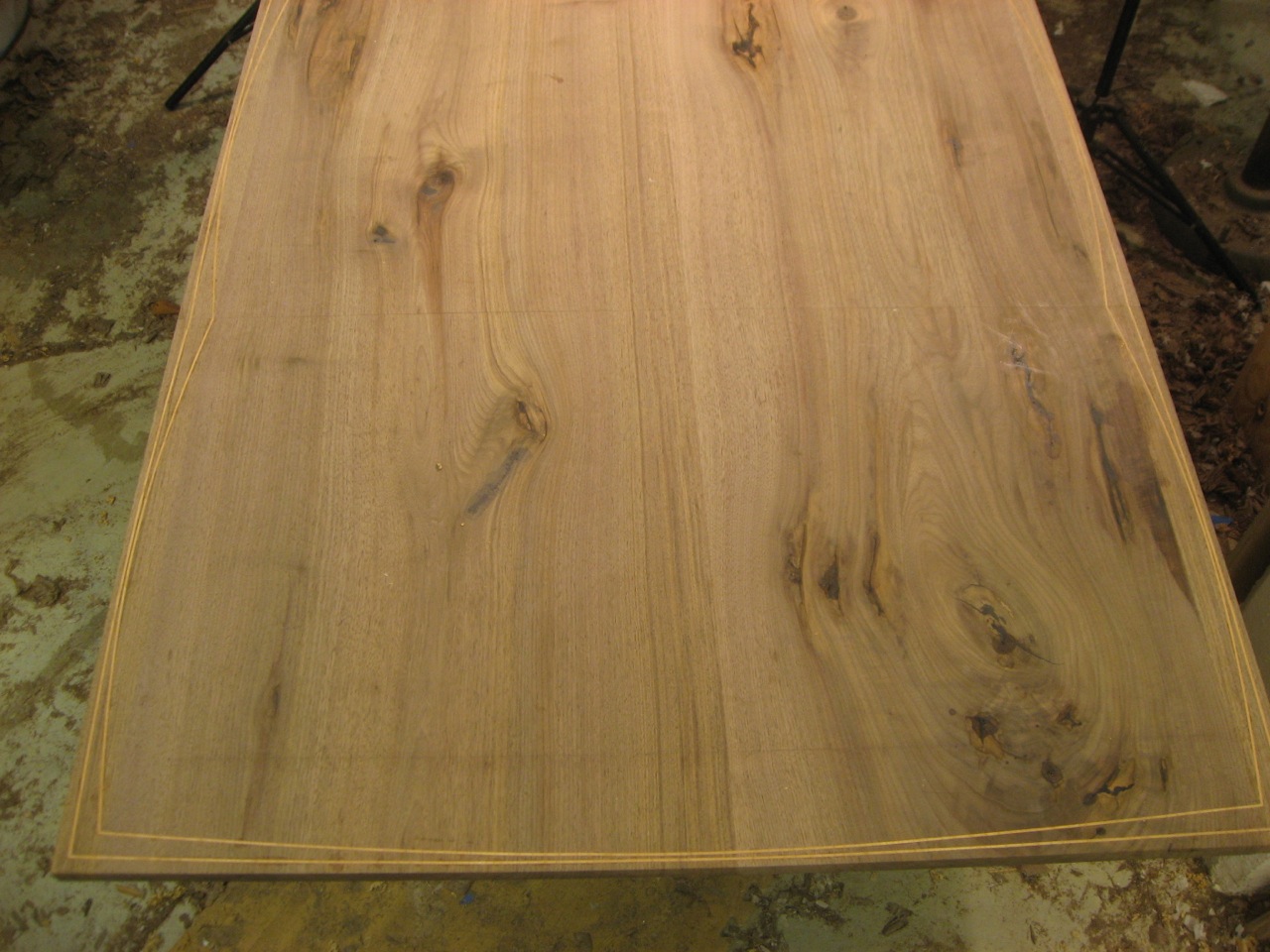
Once the inlay has all been put in place, I took a look at the design. Recall that I wanted to see the two arcs first before deciding on putting in the third. I think it looks nice as-is and a third inlay between these arcs would look too busy along the border.

Inlay Design on the Table Top

I review the inlay 2-arc design along the table top

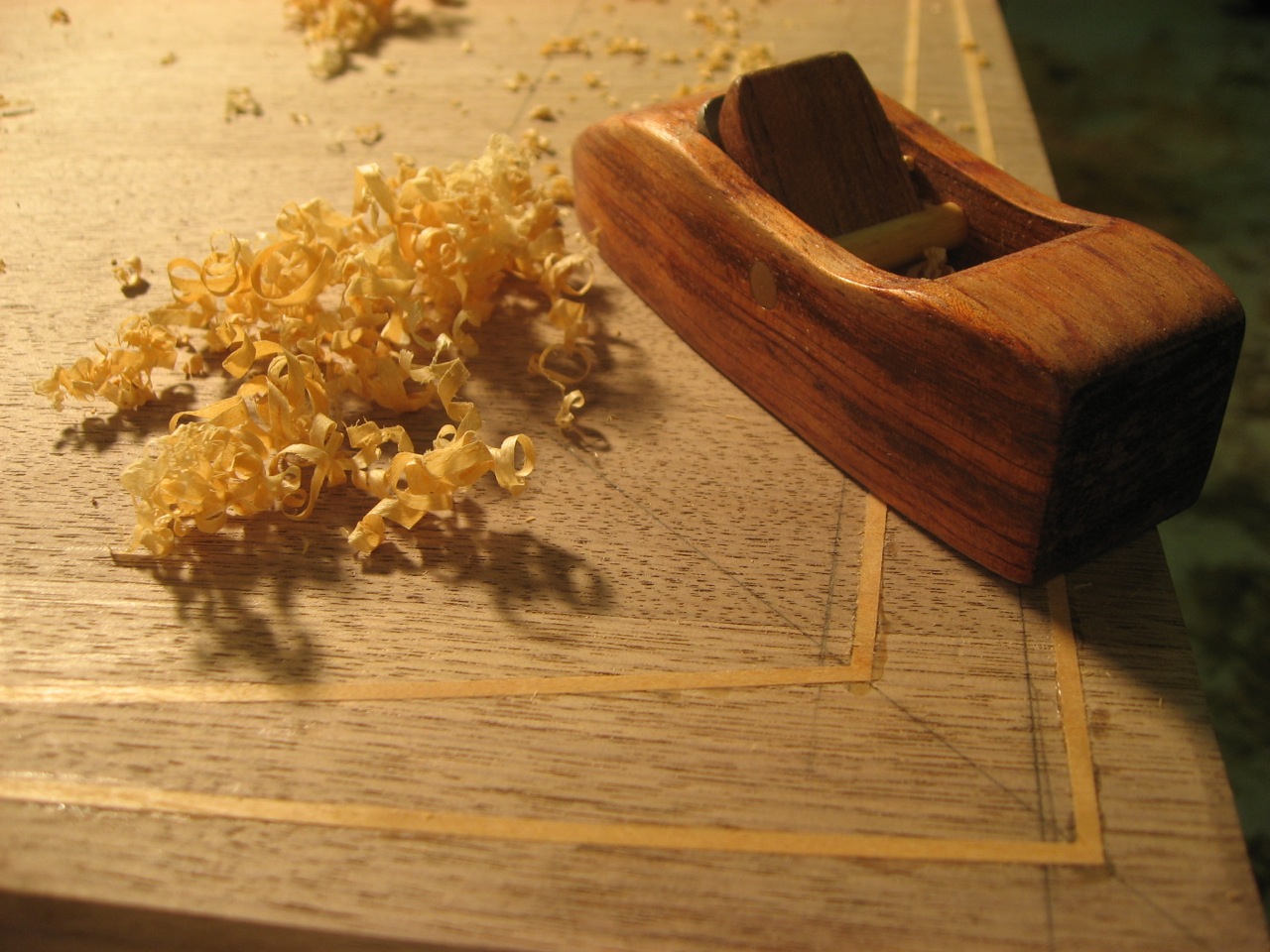
The inlay material is slightly proud of the table, so before I start smoothing the entire table top, I first level the cherry inlay. A hock block plane focuses removing the cherry without hurting the surrounding walnut – just a few strokes.

Using a Hock Block Plane to Clean Inlay

My hock tools block plane quickly levels the inlay

Finally I use my scraper to dial in the cherry to the walnut table. Ready to smooth the entire table now!

Using a Scraper on Inlay

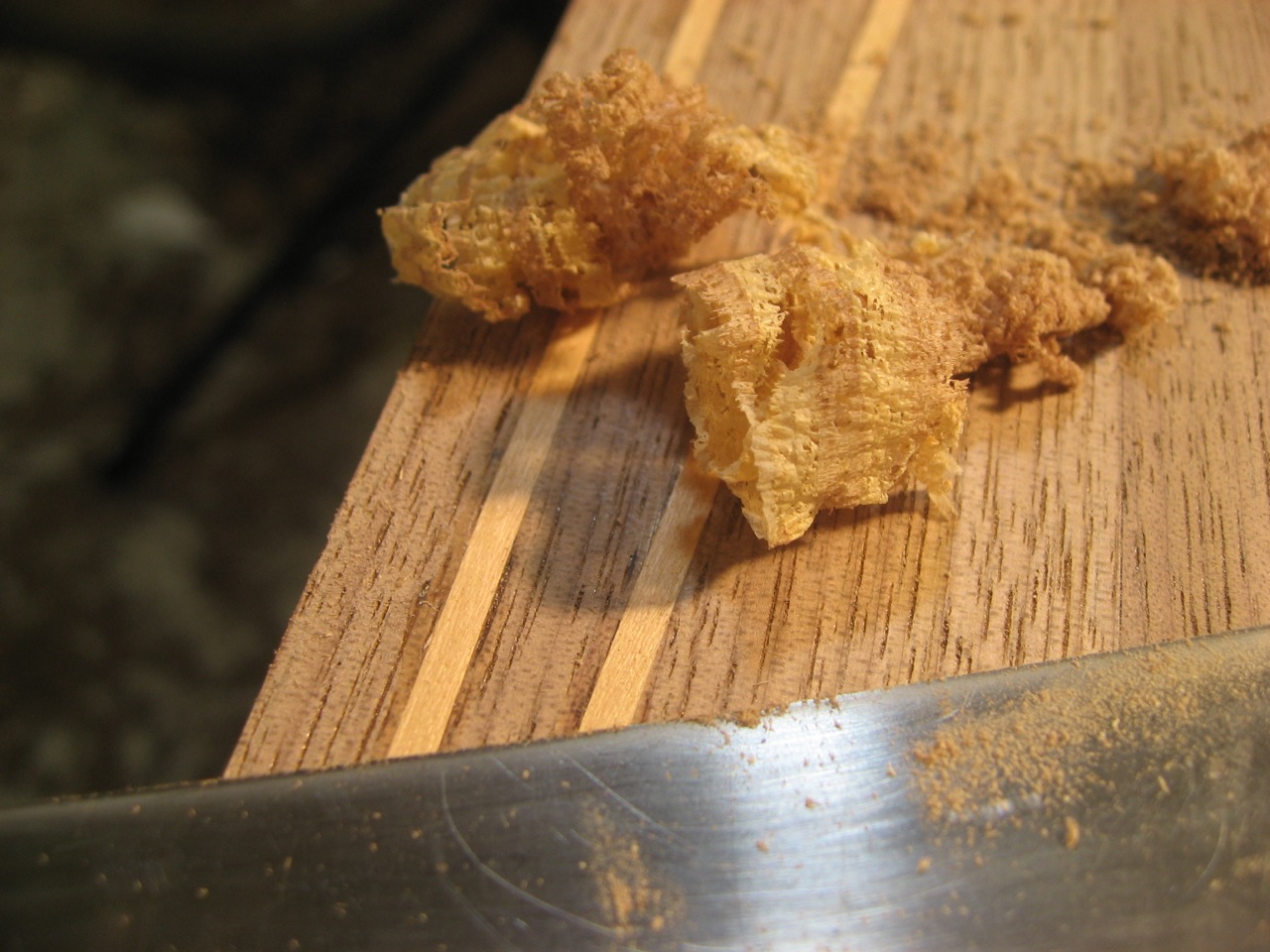
A scraper produces beautiful shavings on the inlay

Mar 272013
 

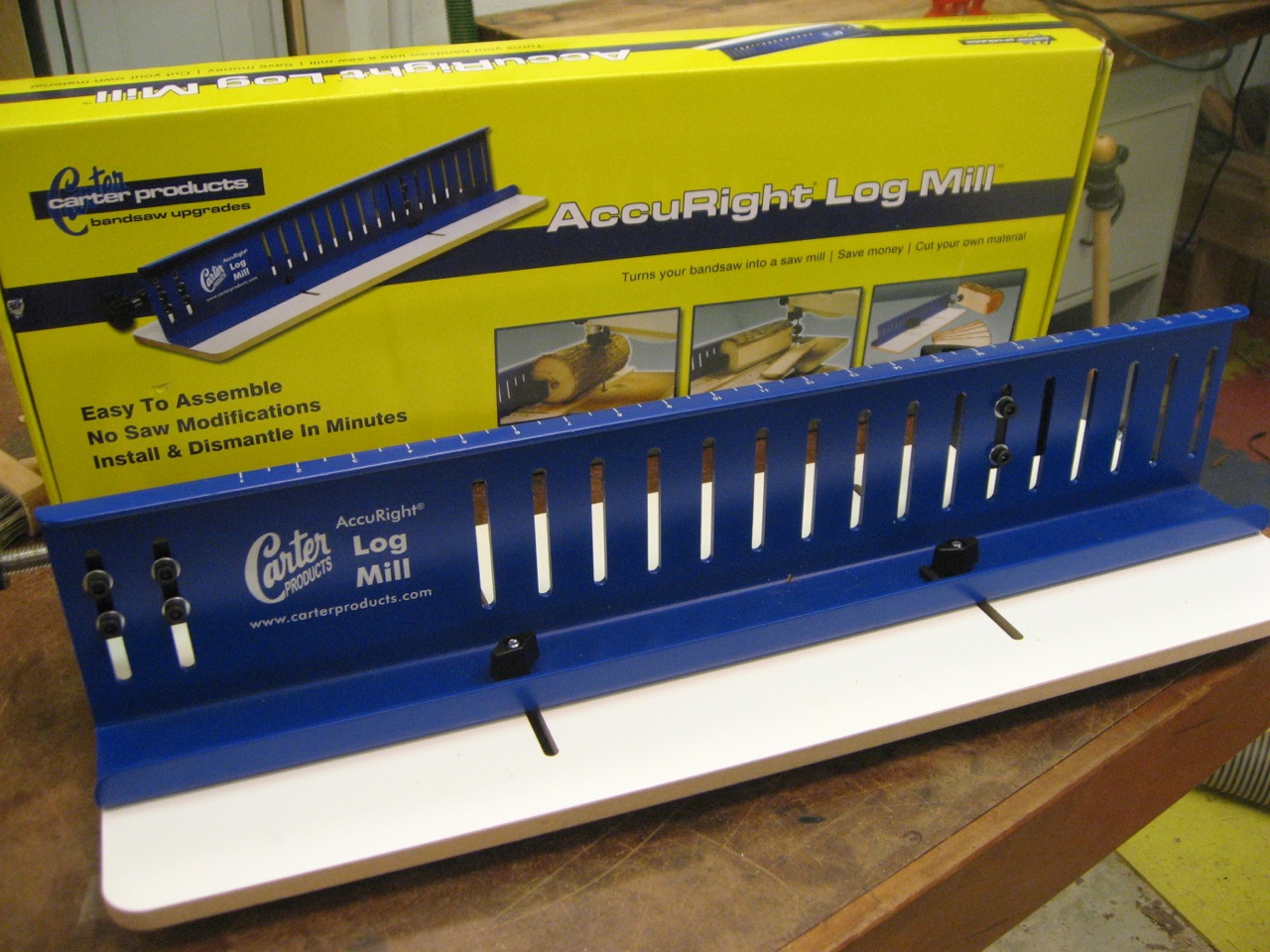
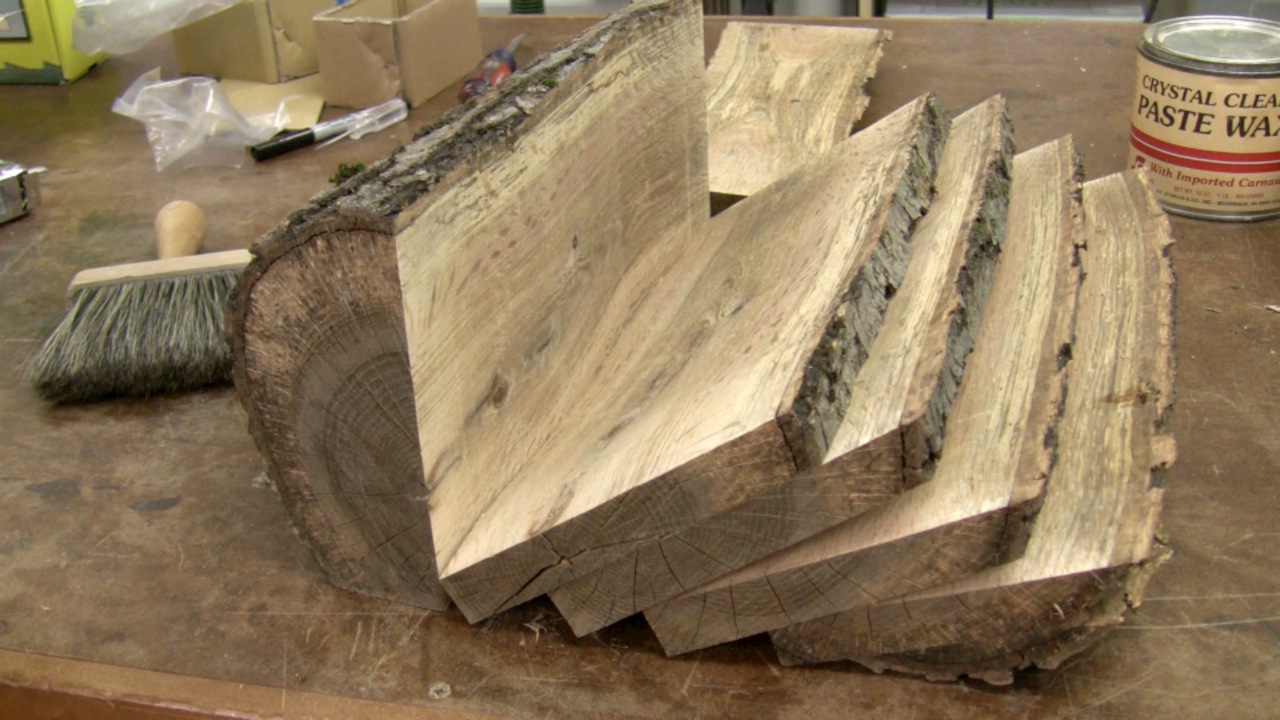
Want to use wood from the yard in your next project? The Carter AccuRight Log Mill can help. This jig holds logs in place so that you can re-saw them on your bandsaw – a necessary first step in order to have “planks” of wood for building projects.

Carter Accuright Log Mill

Carter Accuright Log Mill

The Log Mill is very straightforward – which makes it easy to assemble and use. There”s a nice laminated MDF base with miter bar that slides on top of your bandsaw table. Mounted to that is a heavy-duty fence that can slide in and out to accommodate various thickness of logs. Also on the fence is a fixed jaw and moveable jaw to secure the log in place.

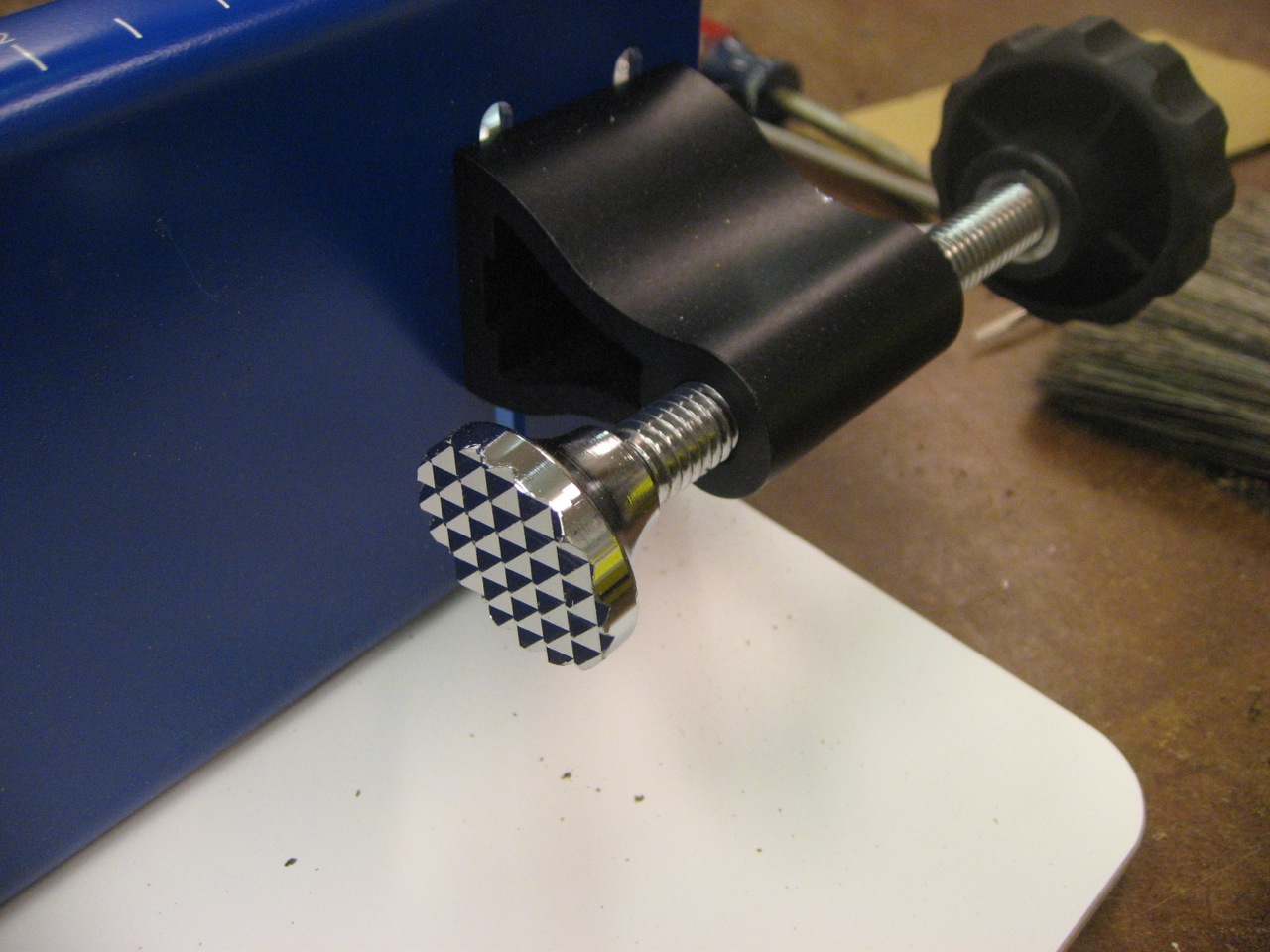
Screw clamp on the Log Mill

The screw holds logs tight on the Log Mill

The screw at one end can apply quite a bit of force against the fixed jaw to really hold the log tight while being cut. This is the critical part, as a round log going through a fast blade is trouble if it”s not held tight!

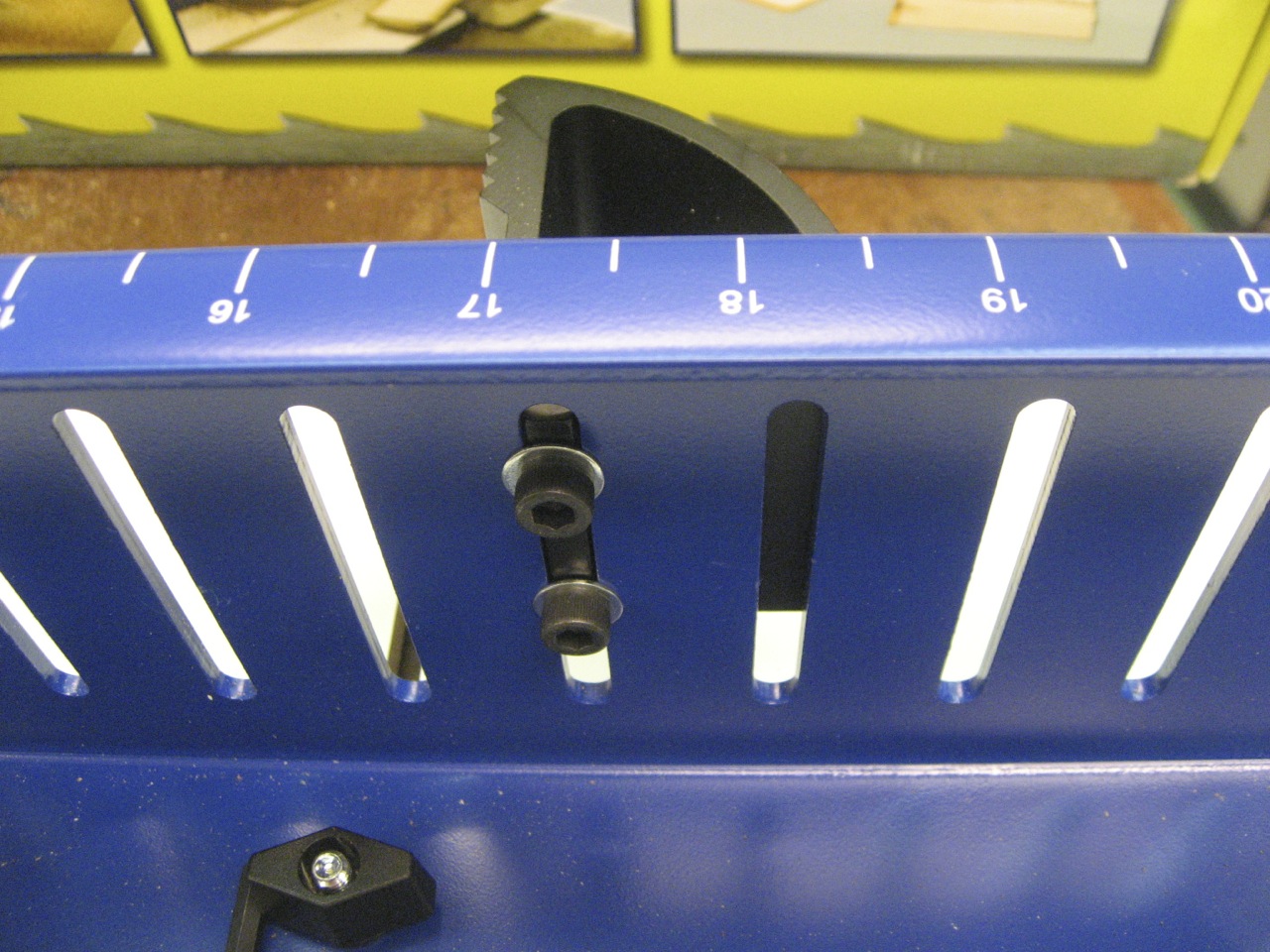
Two screws hold the fixed jaw

Two allen-wrench screws hold the fixed jaw in place on the Log Mill

While the fence slides in and out very easily with two toggle screws (to accommodate different thickness of log), moving the fixed jaw is sort of annoying. If your logs vary in length, you will have to adjust the fixed jaw to be “close” so that length. Then the screw can let the log in between the jaws and also clamp it tight. This requires removing two bolts with an allen wrench, moving the jaw and screwing them back in. Not a big deal, but keep the allen wrench handy!

The Log Mill can handle logs up to about 2 feet long between the jaw faces. I milled up 3-4 logs really quickly and now have some boards grown from a tree in my front yard – ready for a special project.

Carter Log Mill Cut Wood

Beautifully sliced wood from the Carter Log Mill

Mar 252013
 

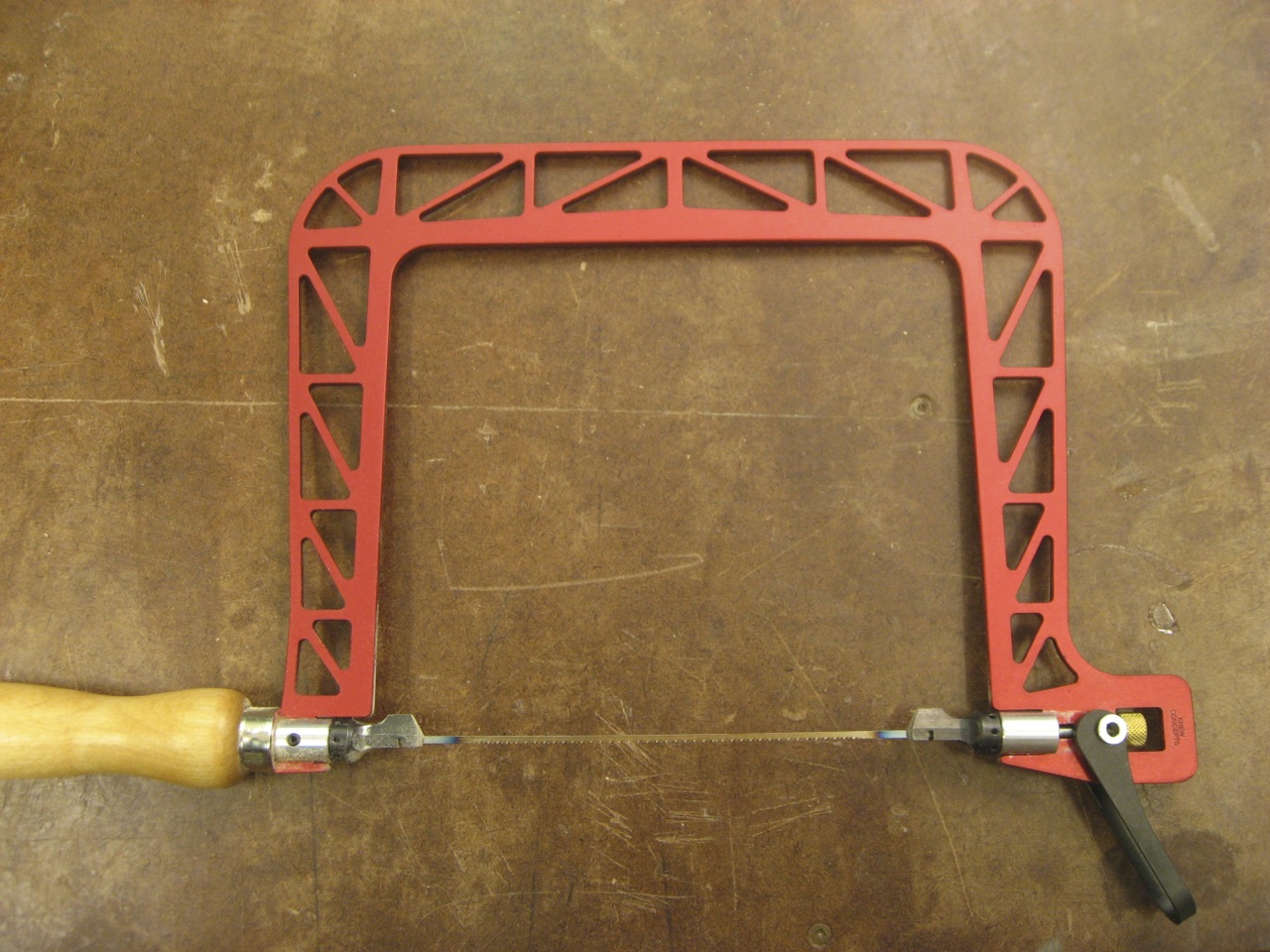
I got a chance to check out a couple of new saws from Knew Concepts and they are fantastic! Knew Concepts makes premium coping and fret saws and their latest additions continue to impress.

Knew Concepts Aluminum Coping Saw

Knew Concepts Aluminum Coping Saw with updated truss design.

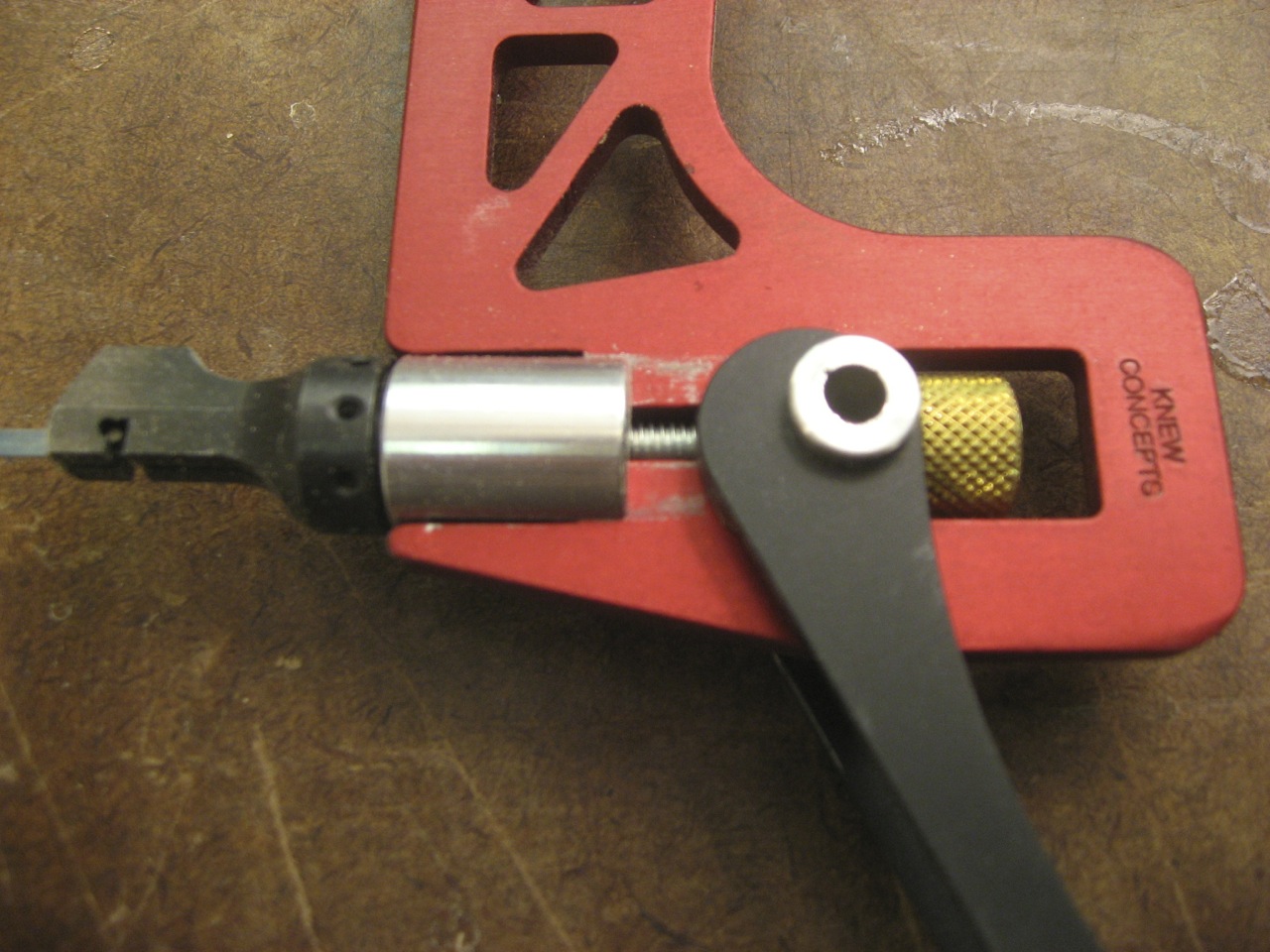
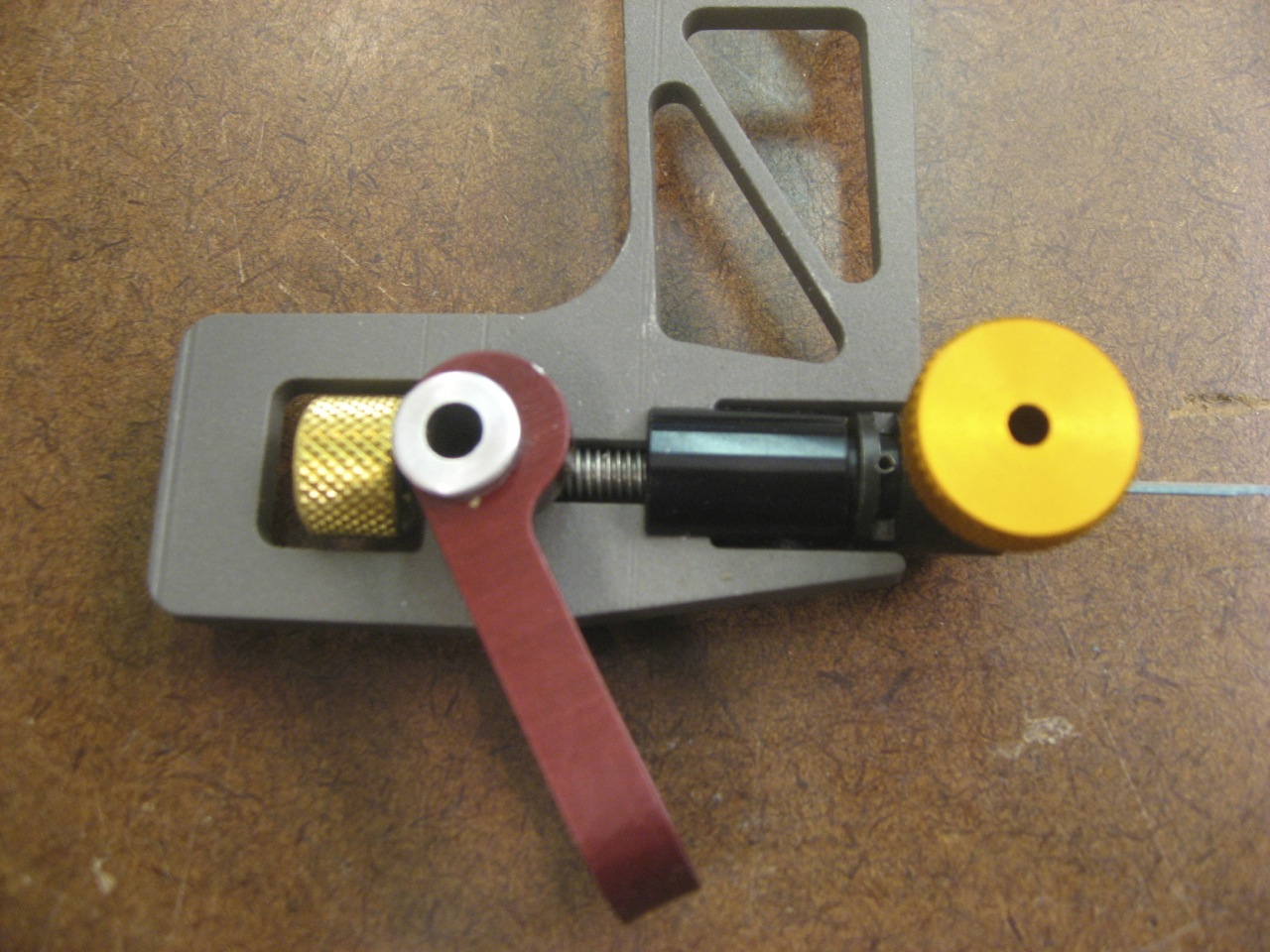
The Aluminum Coping Saw has an updated truss design from the previous version, making the frame even stiffer. Also, the blade can rotate a full 360 degrees with positive stops every 45 degrees. The same great tension mechanism is used – and with a very tight blade you get fast and clean cuts.

Knew Concepts Blade Tension

Flip cam lever to tension the blade. The blade can rotate a full 360 degrees!

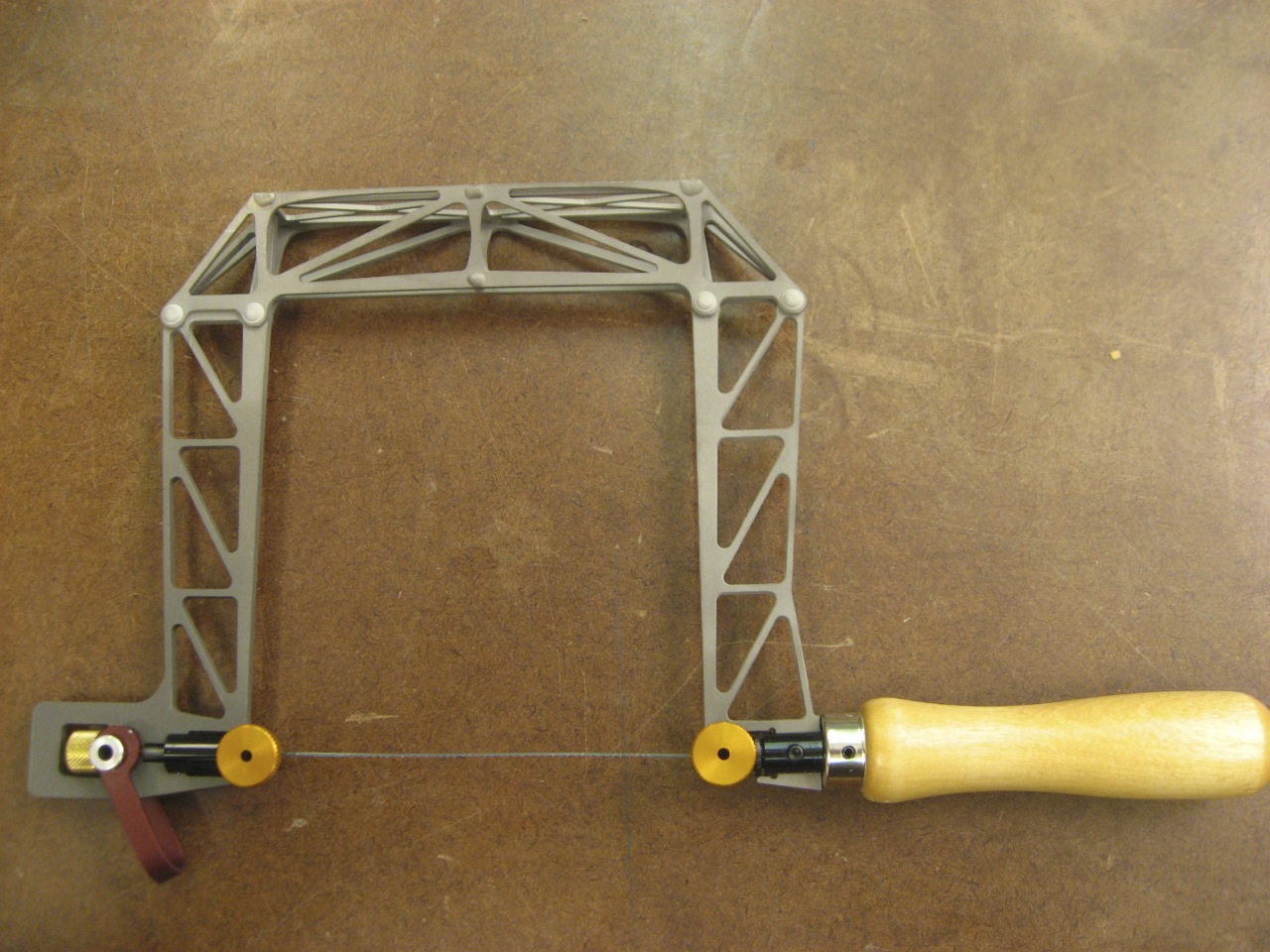
The Knew Concepts Birdcage Fret Saw is a really cool looking saw that can give very tight results.

Knew Concepts Birdcage Fret Saw

Knew Concepts Birdcage Fret Saw

It uses 5″ fret or scroll saw blades so you can get the right blade for the job. Of course, it has the same great tensioning mechanism of the coping saw. You can rotate the blade to the left or right by 45 degrees which is helpful for moving the back out of the way for certain cuts.

Knew Concepts Blade Tension

Flip cam to tension the blade. Nice knobs for locking in the blade

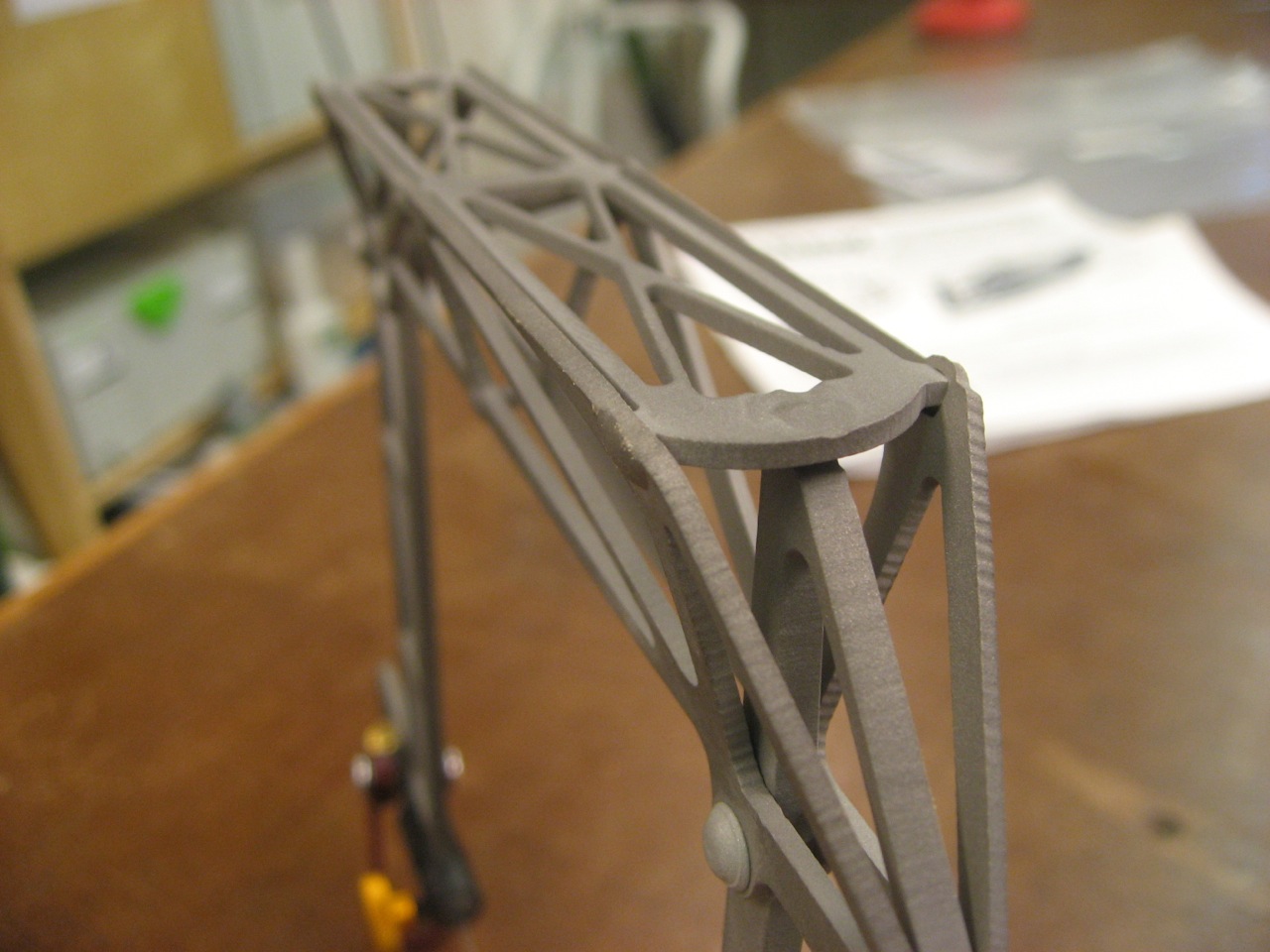
The “birdcage” across the top makes the frame super stiff so you can really get fantastic tension on the blade and no movement along the frame as you cut.

Knew Concepts Birdcage Fret Saw

The “birdcage” across the top of the saws frame is VERY stiff.

These saws from Knew Concepts are absolutely great when it comes to fine cutting. While they are definitely more than you need for rough curve-sawing or simply removing dovetail waste – these saws are beautifully made, precise products that will handle all your coping/fret saw tasks.

Mar 212013
 

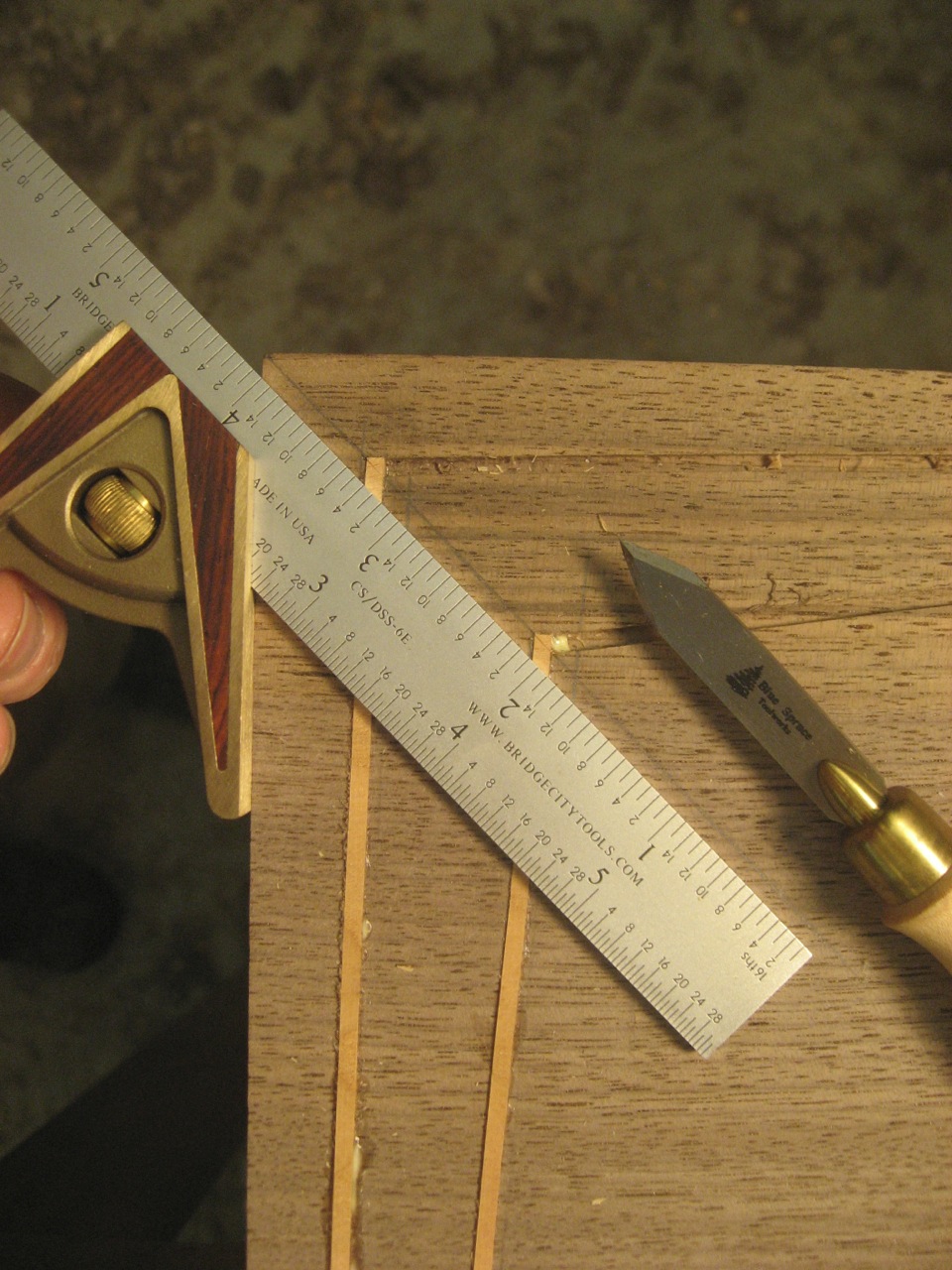
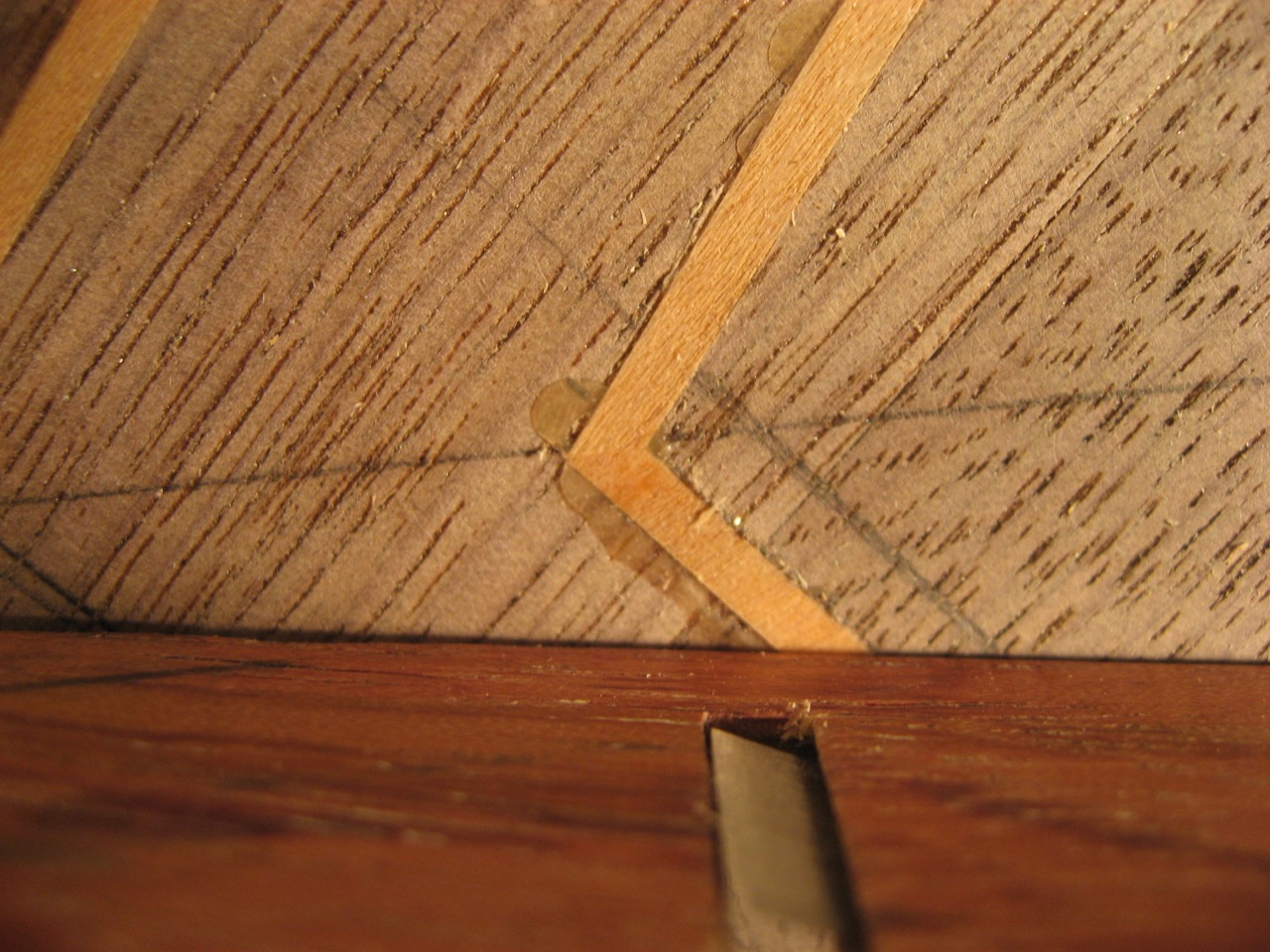
Where the inlay meets at the corner, the junction between the end and sides, each piece ends in a 45 degree to mate perfectly around the corner. I shoved and glued the first piece of inlay all the way into the corner. Then I used a small combo square to knife the 45 degree from the outside corner of the table.

Knifing the Inlay

I knife the inlay at 45 degrees from the outside corner

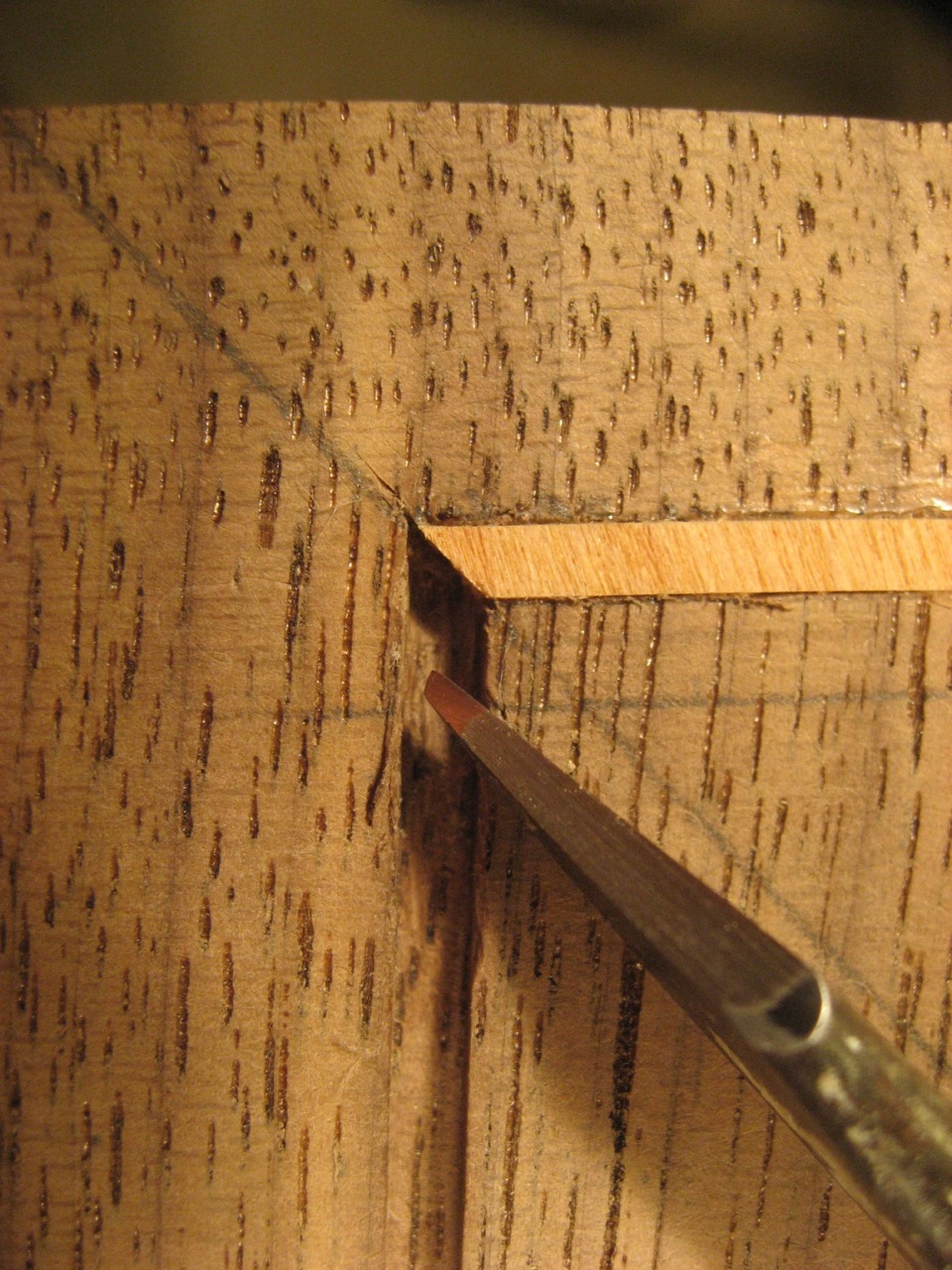
It was quick work to remove the extra inlay with a small chisel, right along that knife line. I could back-bevel it very slightly to allow room for the next piece – but not too much since it”s still proud of the surface.

Chisel the Inlay at 45 Degrees

A small chisel follows the knife line to cleanly cut the inlay

I cut the next piece to match and glued it in place. A nice, tight fit.

Inlay Meets in the Corner

The two pieces of inlay meet neatly in the corner

Mar 192013
 

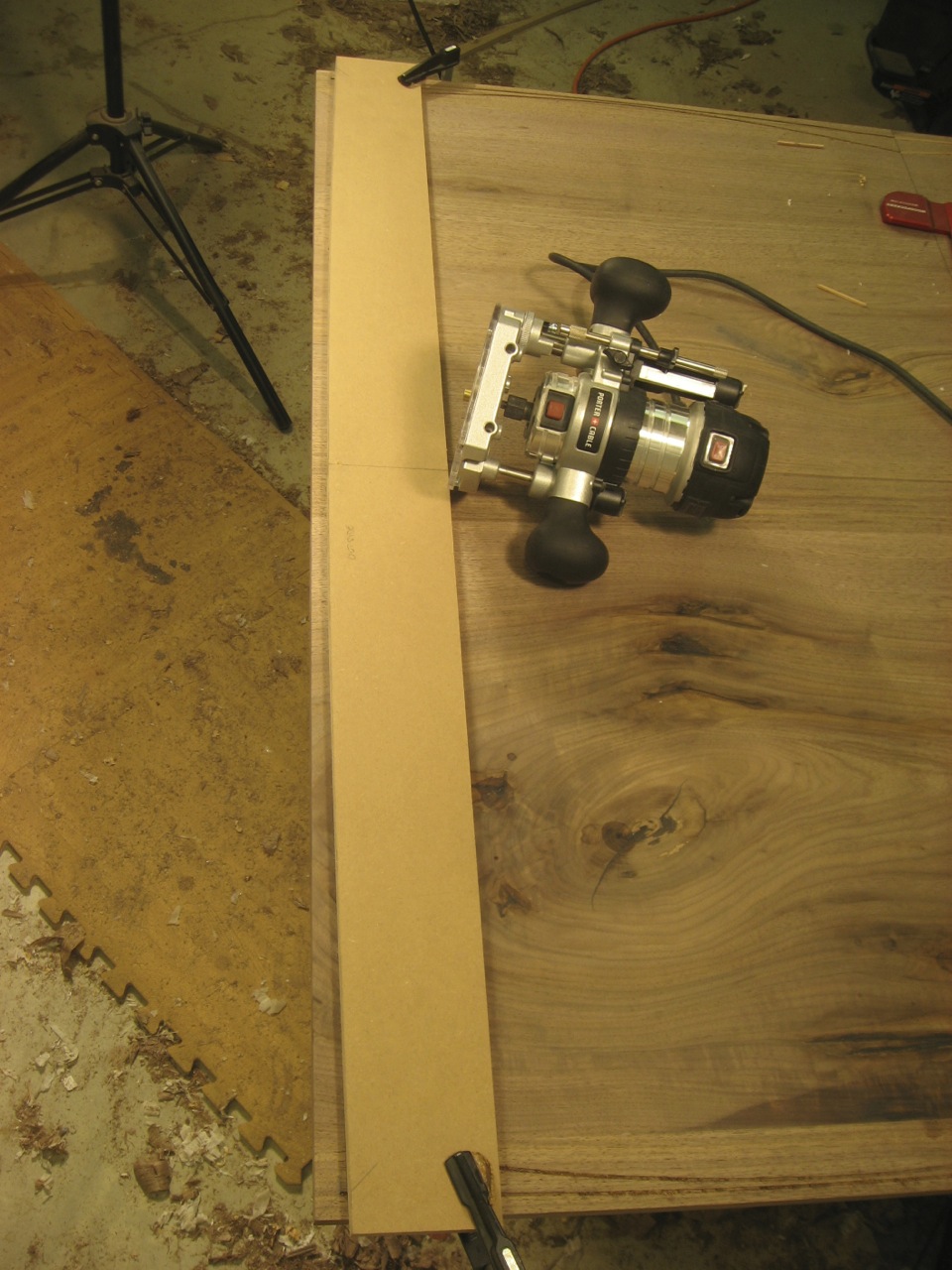
Remember the short-grain inlay I made? Those are inlay for the arcs at the ends of the table. These are similar to the sides, just much wider; so, I made new templates. These templates are simply clamped to the table and the router run along.

Inlay Template for the End

This template is clamped at each end, ready to route

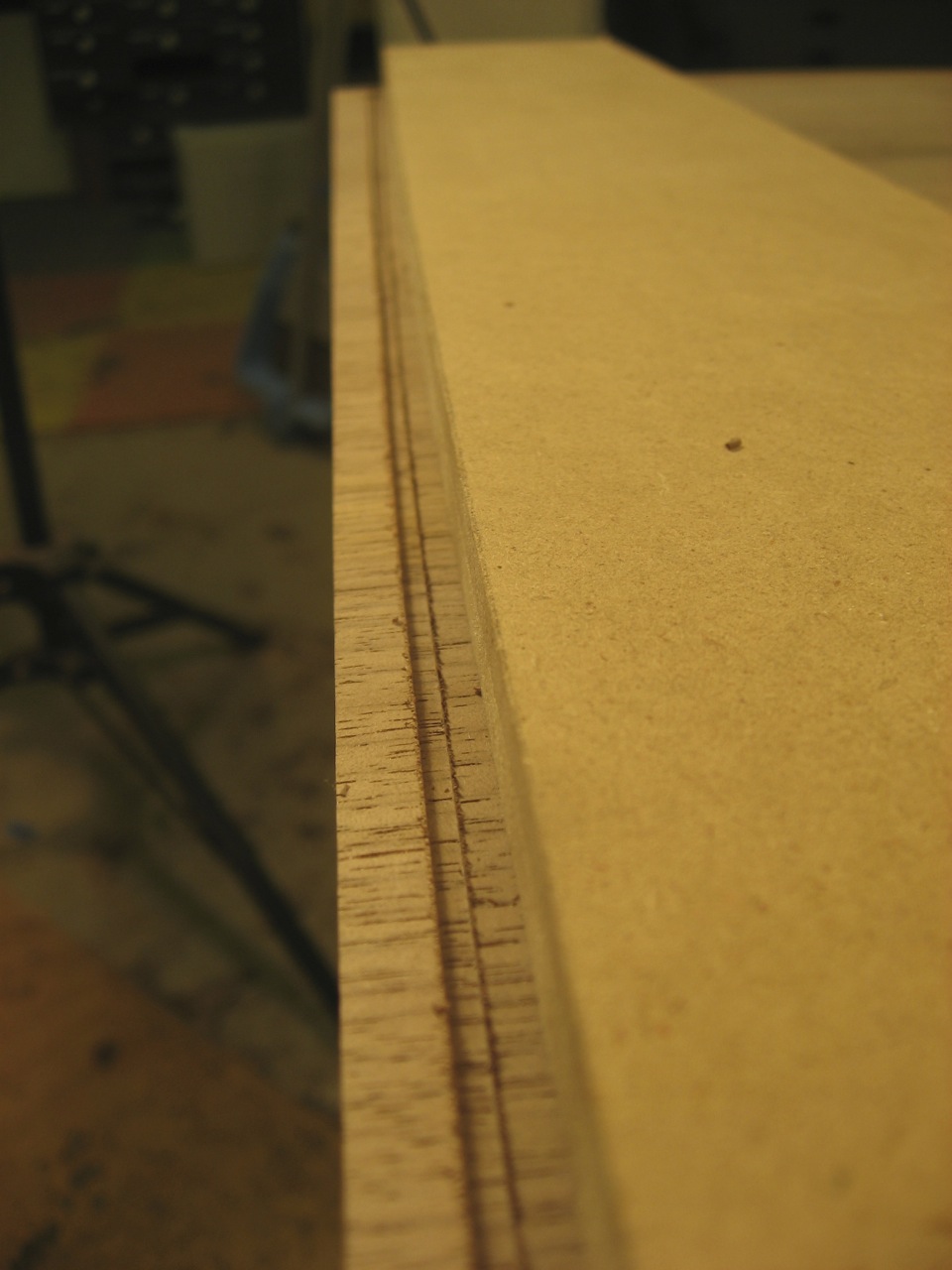
I adjusted the templates one each side so that the end groove hit the side groove at a 45 degree measured from the corner of the table. In other words, I didn”t worry about the template being parallel to the end of the table (though it should be!) It was more important for the grooves to perfectly line up.

End Groove Routed

The groove is neatly routed along the template

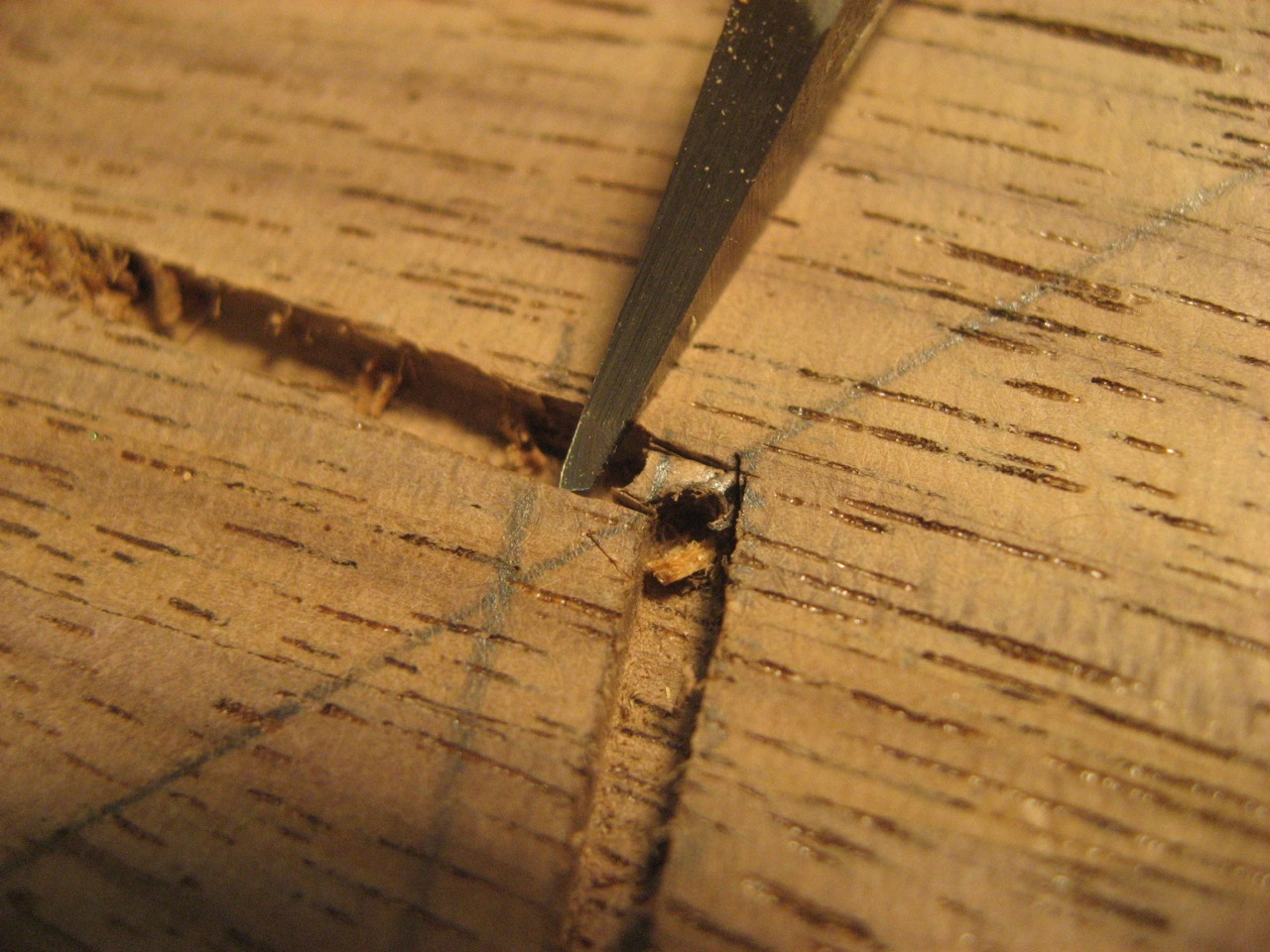
I stopped the router just short of where the grooves meet. I finished squaring that with my very small chisel.

Chisel the Corner Square

Where the grooves meet, I chisel it square

Mar 142013
 

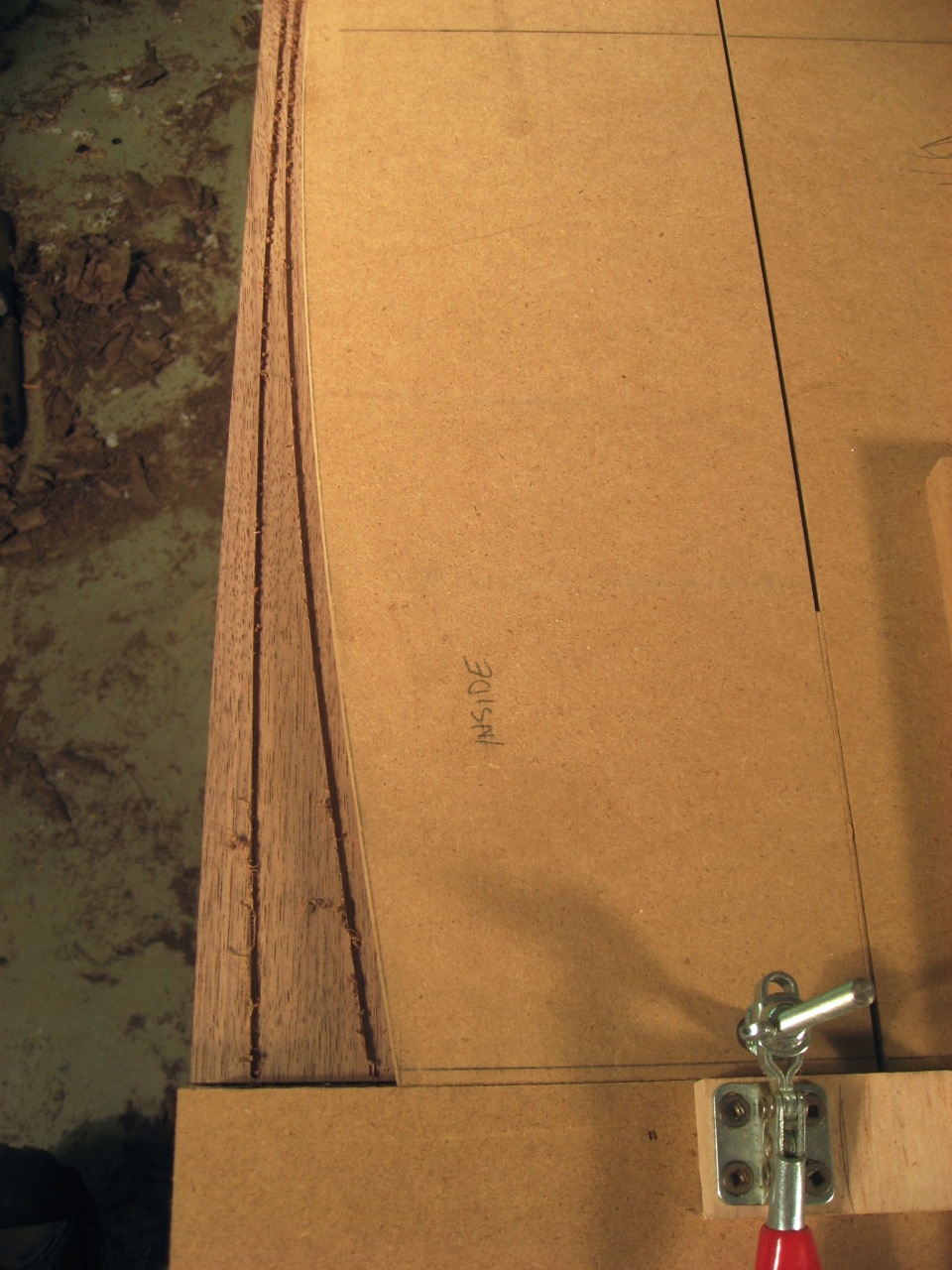
There are three arcs in the top inlay design, and I first route the inside and outside arcs.

Two grooves routed with the arc inlay jig

The second groove is routed with the “inside” arc jig in the holder.

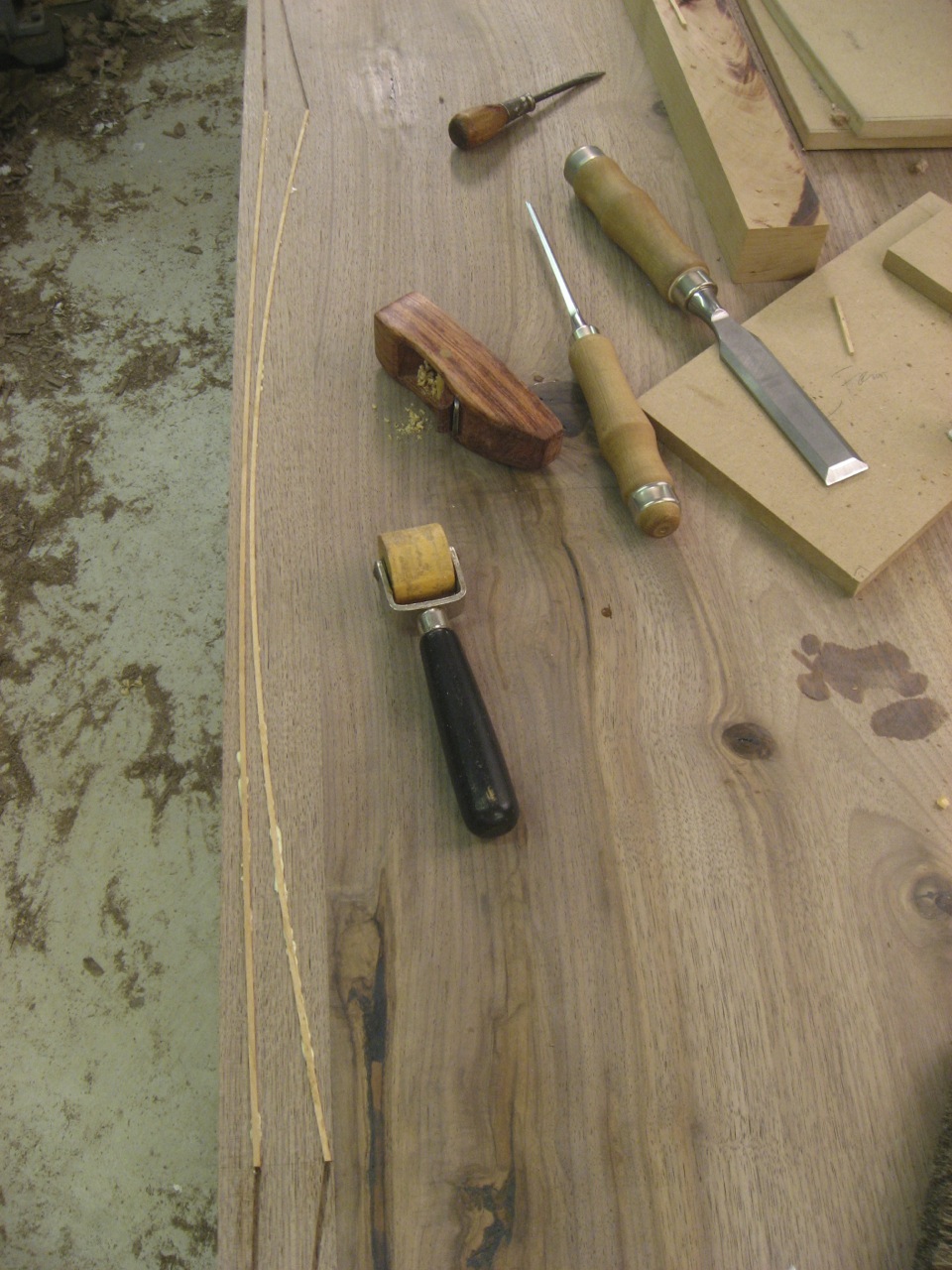
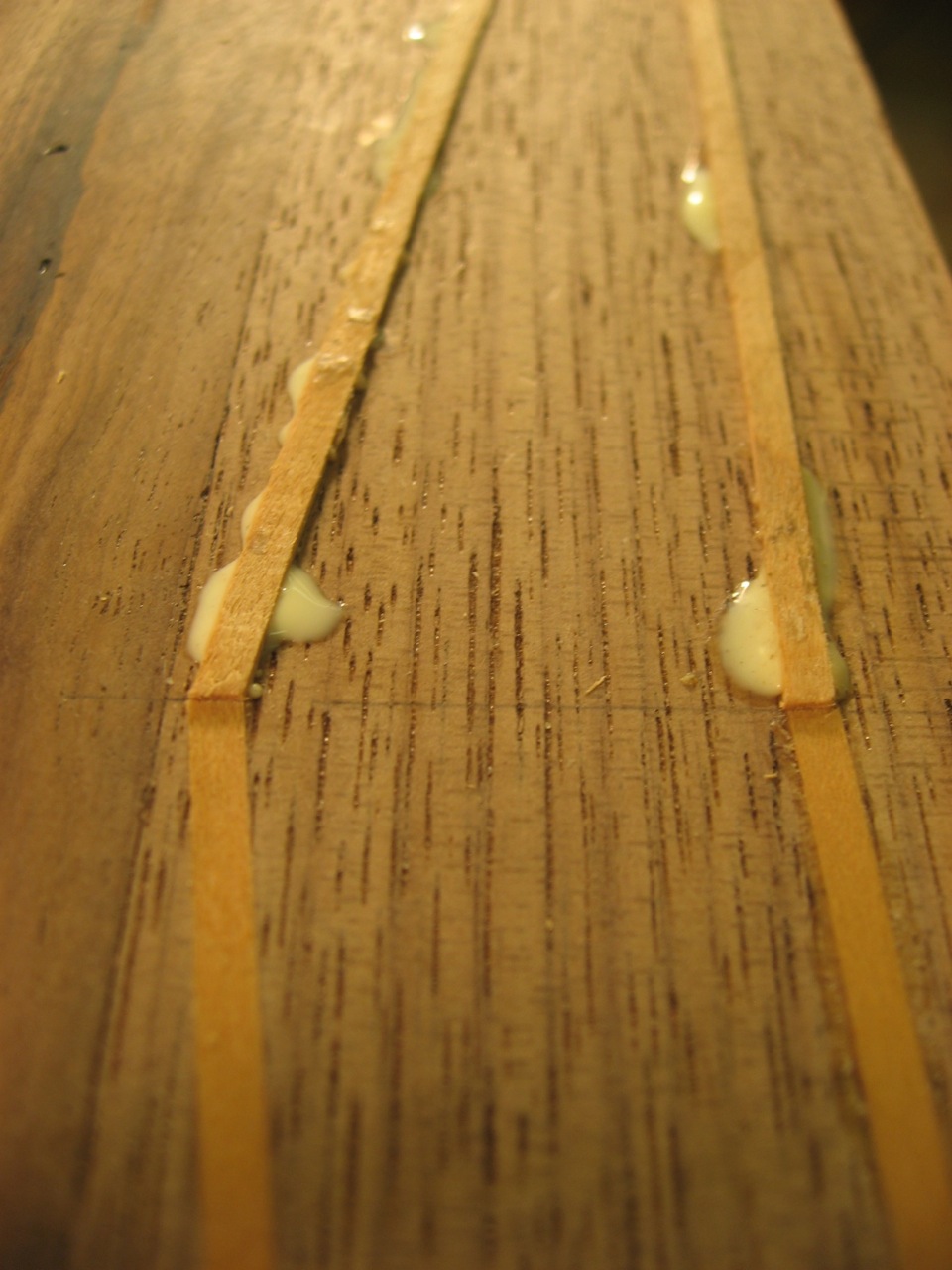
I then place inlay strips into those two grooves. (The inlay is made the same way as before.) I roll the inlay into the grooves with a seam roller – which is a perfect tool for this task (a J Roller is very similar). After letting the glue dry, I use a block plane to level it down to the table. Square up the ends of the inlay using my small chisel, then on to the next place setting.

Tools for Inlay

The tools I used for placing the inlay into the grooves.

The reason I did the two outer arcs first, placed the inlay and leveled it, is because the third (center) groove overlaps the other two very slightly at the top of the arc and so I want the inlay wood there before routing that last arc. Obviously this somewhat defeats the purpose of the holder jig for that third arc.

I also changed the design where the inlay meets to be non-overlapping, just butt joints. It”s a lot less work and especially makes the router jig much simpler (same stops at each end). It”s tricky to make sure the arcs end at exactly the same location and squaring off that 3/32″ inlay!

Butt Joint Inlay

The inlay arcs for each place setting butt each other.

As I went around the table with the two outer arcs, I enjoyed the separation of the inlay (not touching at the center of the arc). Also, a third arc might make the design too busy along a small 2″ border of the table. So, I”m going to move on to the inlay at the ends and take a look at the whole table before deciding on that third center arc.