Highland Staff

Aug 032015
 

So, you don’t have one of those new battery-powered impact drill-drivers, either, eh?  There are some workarounds:

1) You can use the slip clutch built into your drill-driver, which allows an on-off-on-off application of power that will gradually advance the screw you’re driving.
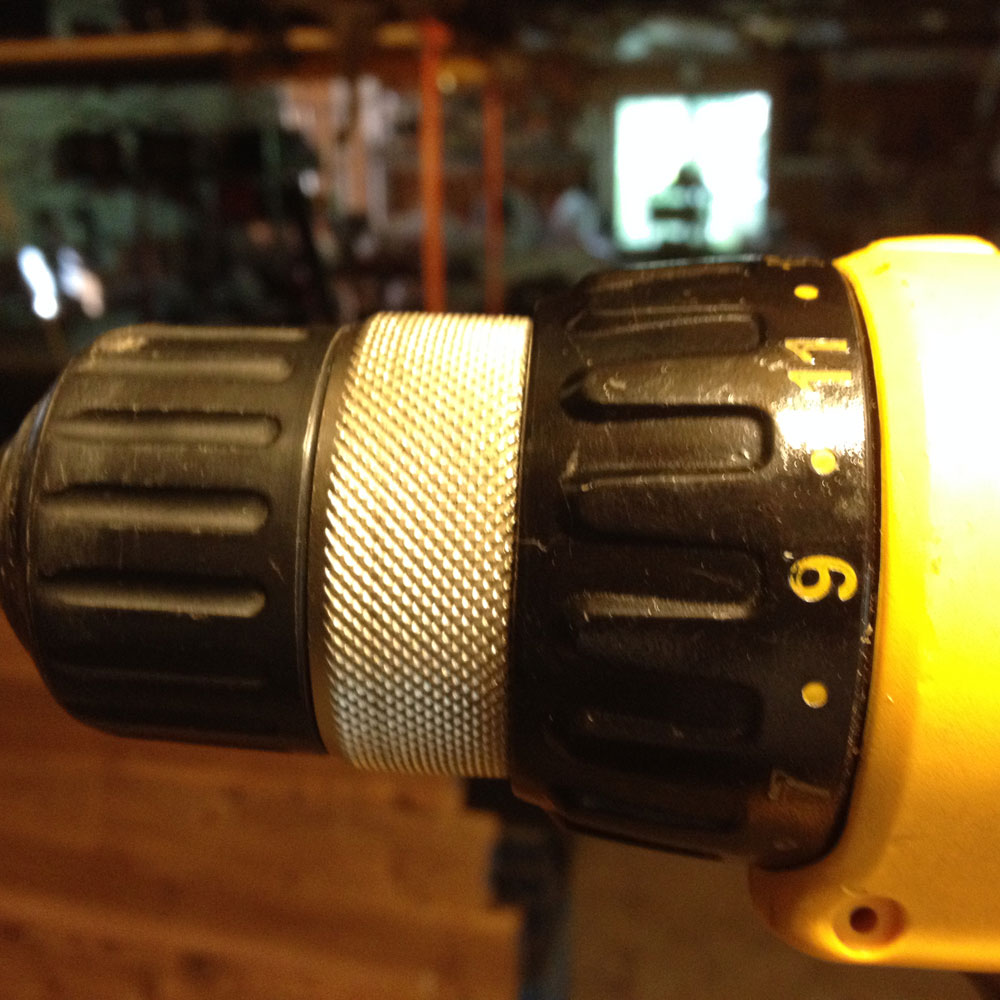
By setting the slip clutch on your drill to a setting that won’t drive a screwhead under the surface of the wood you can “slip up on” how deep the screw goes by continuing to apply power.

By setting the slip clutch on your drill to a setting that won’t drive a screwhead under the surface of the wood you can “slip up ” on how deep the screw goes by continuing to apply power.

2) There is no substitute for real impact action.  An air-driven impact wrench can be used just like a battery-powered impact, just not as conveniently.  And, you have to select the right impact wrench.  For example, a big, ½-inch-drive model will power any lag bolt through any piece of wood, and split the wood in two, if you wanted it to!
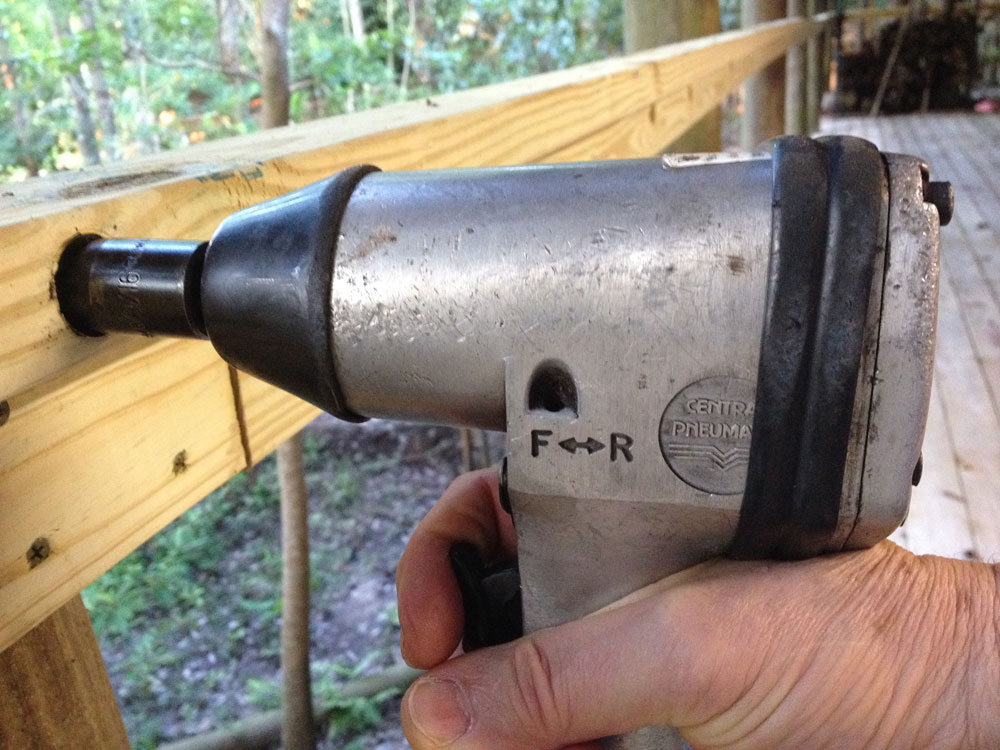
Until Hurricane Katrina’s flood came, I had all of the auto mechanic tools from a previous career. A 1/2-inch drive Chicago Pneumatic had served me well over four decades. After mine drowned, my dear friend Karl gave me this Central Pneumatic. For driving these 7/16" bolts attaching the horizontal component of this handrail to the pilings, the big ½” drive air gun was the cat’s meow. Sorry. We veterinarians talk like that.
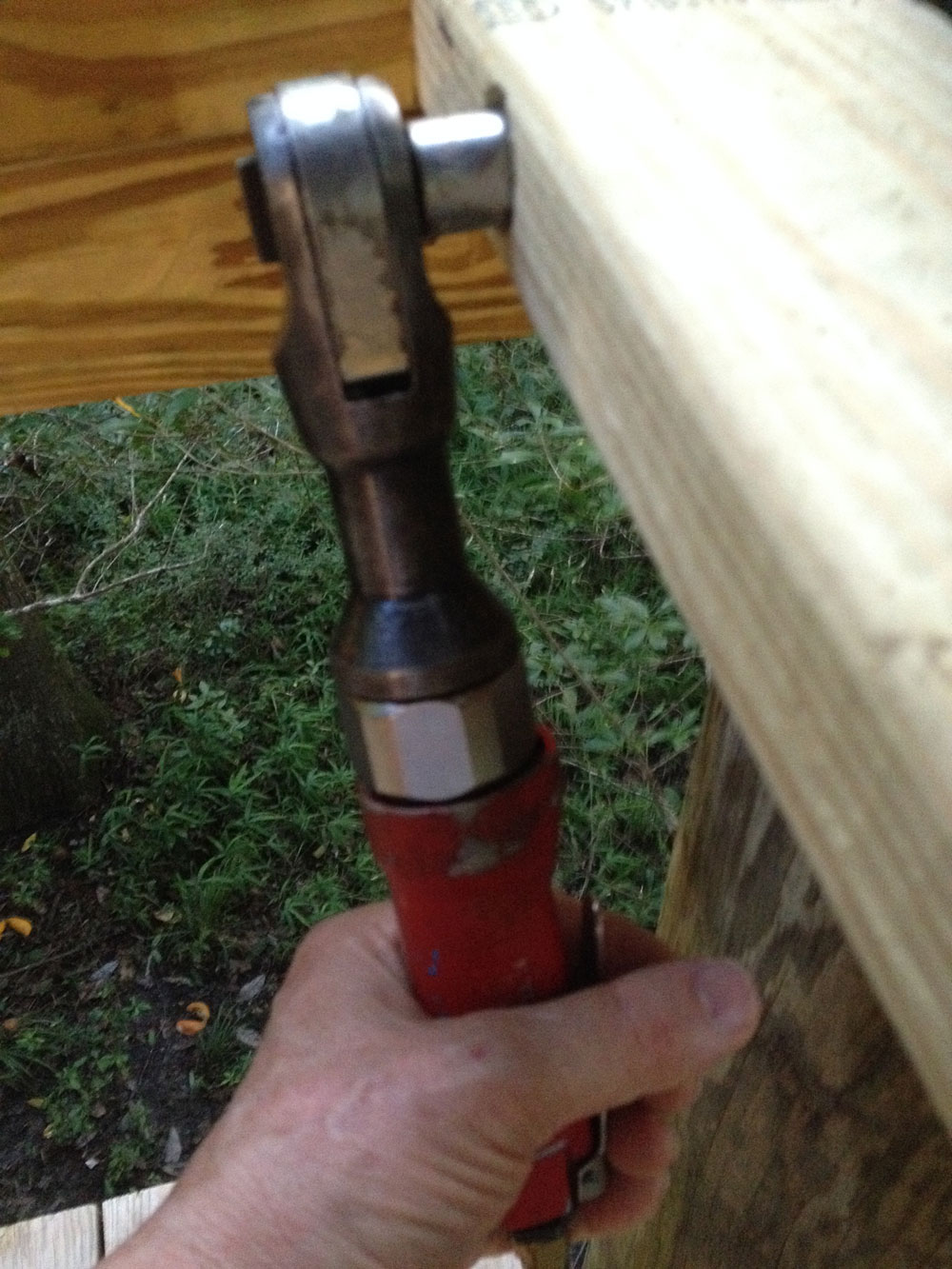
Until Hurricane Katrina’s flood came, I had all of the auto mechanic tools from a previous career. A 1/2-inch drive Chicago Pneumatic had served me well over four decades. After mine drowned, my dear friend Karl gave me this Central Pneumatic. For driving these 7/16″ bolts attaching the horizontal component of this handrail to the pilings, the big ½” drive air gun was the cat’s meow. Sorry. We veterinarians talk like that.

 This ratcheting impact gives you considerably more control, and you can advance a threaded fastener manually anywhere along its path, say, if you needed to assess the amount of compression or resistance while deciding how much further to go. Not too fast, but very flexible. This was also a post-Katrina gift from friend Karl.
This ratcheting impact gives you considerably more control, and you can advance a threaded fastener manually anywhere along its path, say, if you needed to assess the amount of compression or resistance while deciding how much further to go. Not too fast, but very flexible. This was also a post-Katrina gift from friend Karl.

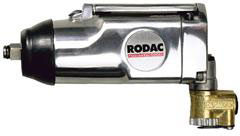
In the 1960s I bought the handiest little air-driven impact I always called a “Rodac.” With only a 3/8" drive, it didn’t have a lot of power, but it was fast and had a lot of control with the speed varied by how far one presses down the paddle on the top. I never replaced it, but was glad to see they are still available.

In the 1960s I bought the handiest little air-driven impact I always called a “Rodac.” With only a 3/8″ drive, it didn’t have a lot of power, but it was fast and had a lot of control with the speed varied by how far one presses down the paddle on the top. I never replaced it, but was glad to see they are still available.

When I say the Rodac was fast, here’s an example:  For access to hidden bolts, socket manufacturers make a universal-joint device.  I was forever putting a socket on the U-joint and the U-joint on the Rodac, hitting the paddle actuator only to have the nut I was removing come off easier than I expected.  That left the U-joint to flop in the air, sling the nut clear across the shop and the U-joint into my fingers before I could get my hand off the paddle.  It was fast.

If you need an air-driven impact for a small job, install a quick-disconnect onto your portable air tank, commonly used for refilling flat and underinflated tires. Sometimes this is faster than rolling out a long air hose and waiting for the compressor to complete a cycle.

If you need an air-driven impact for a small job, install a quick-disconnect onto your portable air tank, commonly used for refilling flat and under-inflated tires. Sometimes this is faster than rolling out a long air hose and waiting for the compressor to complete a cycle.

—-

Jim Randolph is a veterinarian in Long Beach, Mississippi. His earlier careers as lawn mower, dairy farmer, automobile mechanic, microwave communications electronics instructor and journeyman carpenter all influence his approach to woodworking. His favorite projects are furniture built for his wife, Brenda, and for their children and grandchildren. His and Brenda’s home, nicknamed Sticks-In-The-Mud, is built on pilings (sticks) near the wetlands (mud) on a bayou off Jourdan River. His shop is in the lower level of their home. Questions and comments on woodworking may be written below in the comments section. Questions about pet care should be directed to his blog on pet care, www.MyPetsDoctor.com. We regret that, because of high volume, not all inquiries can be answered personally.

Jul 282015
 

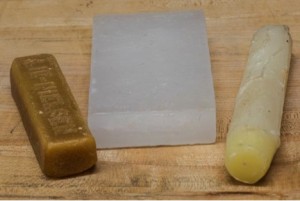
Hand planes work best when they can glide easily across the surface of the wood. Lubricating the plane’s sole can make a dramatic difference in the amount of effort expended in planing. There are several ways to do this. You can make X marks or scribbles on the sole with paraffin, beeswax or candle wax.

NORM1

Or you can use imported camellia oil, jojoba oil—a domestic product—or mutton tallow.

NORM2

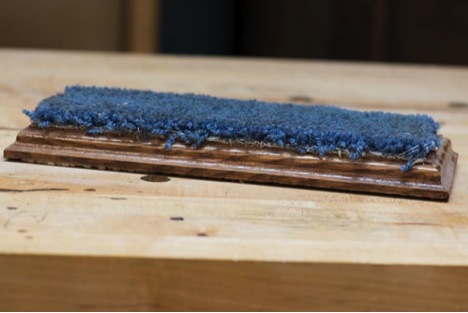
If you do a lot of planing, you may find it convenient to make a plane oiler. Prepare a board or piece of MDF of about 4″ X 12” and attach a piece of carpet remnant with contact cement. Also glue a piece of non-skid material such as drawer liner to the bottom to hold the oiler in place during use. While the cement is drying, clamp the oiler in a vise or between a pair of boards; the pressure will help the cement to adhere firmly.

NORM3

To use the oiler, spray the carpet lightly with camellia oil or jojoba oil. Then, draw the plane across the oiler, backwards so the blade does not catch the fabric. This will put a light coat of oil on the plane’s sole. The plane should only need to be lubricated every couple of boards, or whenever resistance against the wood begins to build. The oil will not affect the finish you apply to your project.

The author is a woodworker, writer, and woodworking instructor living in the Blue Ridge Mountains with his wife, a woodshop full of power and hand tools and four cats who think they are cabinetmaker’s assistants. He is the author of the forthcoming book Choosing and Using Handplanes. He can be contacted at nreid@fcc.net.

Jul 242015
 

Who says you can’t read a good woodworking book on the beach? We asked our bloggers which books they are looking forward to reading this summer, and they provided us with some great answers. See below for Lee Laird’s summer reading list:

I have a number of “woodworking” books I’ve added to my bookcase, that I just haven’t had the opportunity or time to really dig into yet. It is starting to look like things are slowing down, since my recent trip to Germany is (sadly) over, and a couple of other issues are resolving. As you will probably notice, some of the books I purchase are how-to’s, but others are design elements I’d like to incorporate in future work. Here are my target books:

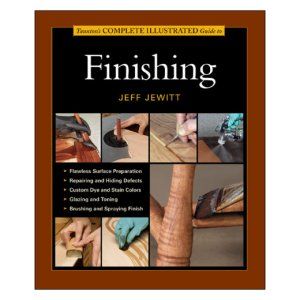
Finishing” by Jeff Jewitt

This is a fairly comprehensive work, that talk about surface preparation, repairing and hiding defects, custom dye and stain colors, glazing and toning, and brushing and spraying finishes. As most know, the best furniture/work can be reduced in worth and desire, if the finish is lacking. Working on your finishing abilities is no different than say, improving your sawing techniques or perhaps perfecting your dovetails. A facet of your overall work you don’t want to overlook.

A Marquetry Odyssey” by Silas Kopf

At one of the Lie-Nielsen events, I was visiting with Frank Strazza, who turned me on to this amazing book. I’ve never really done any marquetry to speak of, but when I build musical instruments, I can see this as a great way to enhance their looks. This can be as simple as a basic idea on the headstock, to full adornment. The book has photos of current works, as well as period pieces, so covers a great deal of territory.

The Furniture of Gustav Stickley” by Joseph J. Bavaro & Thomas L. Mossman

This (sadly, out-of-print) book provides history, techniques and projects, relative to Gustav Stickley. Included in the projects, are tables, chairs, different casework, as well as other items, with very in-depth information on the included pieces. There is also a section talking about methods used, which might help the chops one might need before building one of the projects.

Sam Maloof – Woodworker” by Sam Maloof

There is something about Sam Maloof’s designs – they look great, and are very functional. It is easy to see why his work has always been in high demand, and I’d love to have some of his organic feel to rub off on my hands. There are images, photos, drawings as well as the ideas of Sam Maloof. (This is actually a book I’ve owned for almost 25 years, but it is time it should be back in the “read” rotation.)


Lee Laird has enjoyed woodworking for over 25 years. He is retired from the U.S.P.S. and worked for Lie-Nielsen Toolworks as a show staff member, demonstrating tools and training customers. You can email him at LeeLairdWoodworking@gmail.com or follow him on Twitter at twitter.com/LeeLairdWW

Jul 232015
 

As usual, I plan to spend a good deal of time reading this summer, the time of year when I tend to do the most of it. And what better subject than woodworking? Here’s what’s on my reading list for this year.

Robert Lang’s New Woodworker’s Guide to SketchUp

Frankly, this will be more a course of study than a reading exercise. I’ve been using SketchUp on an elementary basis for several years, but I’m not getting the full power of it. SketchUp has the ability to help me model alternative designs before I make them and I want to put that to work. So I’m planning to work my way through the CD and do the exercises so I really learn how to make SketchUp work for me.

Bruce Hoadley’s Understanding Wood

Over the years I’ve learned a lot about wood and its characteristics as a furniture-making material, but there’s always more to learn. This book has long been recognized as the Bible on wood and I’m hoping it will fill in gaps in my knowledge and perhaps rectify misconceptions I may have.

Andre Roubo’s L’Art du Menuisier: The Book of Plates

This won’t really be as much of a reading exercise as an opportunity to luxuriate in the rich array of detailed drawings of furniture, woodworking tools of the 18th century and woodshops of the time. I’m looking forward to parking myself in an armchair and smiling my way through this wonderful volume.

Christophe Pourney’s The Furniture Bible

With its emphasis on restoration this promises to offer a different approach to woodworking than I’ve taken. While restoration doesn’t fit into my plans (as of now), there’s always more to learn about woodworking and I’m anticipating the opportunity to stretch my mind with this beautiful book.

Jeffrey Greene’s American Furniture of the 18th Century

This (possibly out-of-print?) book is an outstanding resource on classic American furniture styles and the construction methods to replicate them. I’ve already read part of it but I want to work my way through the remainder to advance my knowledge of traditional woodworking methods.

Will I be able to finish all this? It’s hard to say, but I’ll certainly give it the old college try. If not, I’ll have some things left over for my winter reading!


Norm Reid is a woodworker, writer, and woodworking instructor living in the Blue Ridge Mountains with his wife, a woodshop full of power and hand tools and four cats who think they are cabinetmaker’s assistants. He is the author of the forthcoming book Choosing and Using Handplanes. He can be contacted at nreid@fcc.net.

Jul 212015
 

We asked our bloggers which books they are looking forward to reading this summer, and they provided us with some great answers. See below for Terry Chapman’s summer reading list:

Like many of you, I have a stack of books sitting on the night stand waiting for me this summer. Though I have a Kindle and read many e-books, I still love the feel of a hard-bound book.

I should explain I have a unique view of this kind of thing. I like books and I particularly like woodworking books, so to encourage companies to publish more of what I like, I buy their products. I may not absolutely like every book a company publishes, but the only way to make sure they do get to the ones I like, is to buy stuff from them. Mike Dunbar up at the Windsor Institute explained this to me in detail when I went to a class at his school. He recommends a spoke shave made just over the mountain by Dave Wachnicki at Dave’s Shaves. Dave runs a small operation and as Mike explained, if nobody buys his products, then he will go get a job in a factory and stop making them and we will all be the poorer for it. Consequently, I have most of the books published by Lost Art Press.

On my reading list this summer:

Peter Galbert’s “Chairmaker’s Notebook I took a class from Peter a few years ago at Highland and made a child’s Windsor chair. (It’s on display at the Store, by the way. Look up front by the windows.) Peter is a wonderful teacher and passionate about his work. I like Windsor chairs and have made several. This book makes it look easy, which is an indication of Peter’s prowess as a writer, teacher and chairmaker. It only looks easy because he is so good at it.

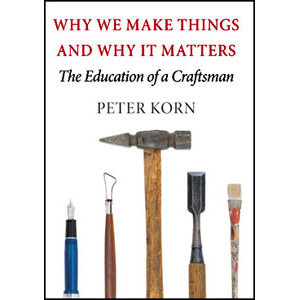
Peter Korn’s “Why We Make Things and Why It Matters A verbalization of all those things you know instinctively about things you like and like to make, but cannot say out loud. Peter writes them down for you.

 Roy Underhill’s “Calvin Cobb, Radio Woodworker Roy’s first novel and it has measured drawings in it. Really. Everybody enjoys Roy and his woodworking and you would know he wrote this even if his name were not on the cover.

204745

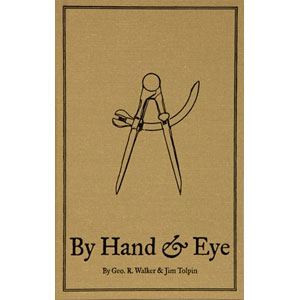
Geo. R. Walker & Jim Tolpin “By Hand and Eye” This is another one you know instinctively, but these guys wrote it down. They are able to quantify those things that many of us can see when we are looking at a nice piece of furniture or a building. I love being able to do things the old ways with the most basic of tools.

204728

Will Holladay’s “A Roof Cutter’s Secrets” Nerd city and not available from Highland.  In another lifetime, I would be a roof framer, but since it is too late in this life, this is my vicarious profession. I love the math and the practical aspect of the work and the fitting together of the puzzle. I have the greatest admiration for the old cutman with a fourth grade education sending perfectly cut rafters up top without ever climbing onto the roof. With a little apprenticeship, I could do that thirty years ago.

That’s my reading list. What’s yours?

Jul 112015
 

wn119Our July 2015 issue of Wood News Online is now available and we’ve got some great woodworking articles, safety tips, tool advice, and reviews.

This month’s issue includes:

Recognizing a Quality Hand Tool– Kerry Lambertson discusses the unique qualities that you can find in an old hand tool, and puts the message out there that woodworkers should demand nothing less than the highest quality in tools.

Making Whirligigs– After repairing his friends whirligig, Ken Radziwanowski realized how easy they are to build and started making them on his own. It became a serious hobby and in this article he discusses his process.

Where are All the Girls in the Shop?– Anne Briggs Bohnett, more commonly known as Anne of All Trades, has just recently started writing a monthly column for Wood News. In her first article she discusses how she got started in woodworking and how finding another female woodworker through Instagram pushed her to become the woodworker she is today.

Woodworking Community Calendar– If you scroll to the bottom of our newsletter, in the lefthand column we have our new Woodworking Community Calendar, where we list woodworking happenings going on at Highland Woodworking as well as events around the country. If you would like to submit your event, feel free to email woodnews@highlandwoodworking.com

Our Show Us series includes:

Show Us Your Shop– This month we’ve got Haim Loran’s shop in Easton, MD, where he collaborates with his wife on projects. His shop is full of all different types of woodworking equipment, which he lists in his column.

Show Us Your Woodworking– Check out the spice rack and other woodworking projects made by Rodney Haywood, whose projects are inspired by the woodworking of George Nakashima.

Show Us Your Carving– Martin Antaramian shares his beautiful carvings, which have been inspired by the concept of moving fabric and are made out of a wide variety of woods.

Our woodworking tips sections include:

Tips from Sticks in the Mud– Jim Randolph has a tip on different ways to repair wood defects, as well as a money saving tip on using food containers and soda cans as mixing vessels for epoxy and other woodworking concoctions.

Two Minute Safety Tip– Konrad Plachta from Tasmania, Australia, shares a tip on safely holding your turning tools while working at the lathe.

Finishing Tip– Alan Noel shares a few tips on easing the clamping challenge when restoring furniture or adding finish to a new piece.

The Down to Earth Woodworker– This month, Steve discusses the recall of his favorite fluorescents, shares a new tool technology found in brushless DC motors, discusses the difference between remodeling vs. woodworking, explains the process behind making a Highland Woodworking YouTube Product Tour, and reminds us all to put a little bit of love into each of our woodworking projects.

Ask the Staff– James is building a rocking chair and asked us what the best set of rasps to use together on a rocking chair project would be…

This month’s product reviews include:

Book Review: Tage Frid Teaches Woodworking– This month, Norm is reviewing Tage Frid Teaches Woodworking in honor of what would be his 100th birthday.

Tool Review: Benchcrafted Moxon Vise– If you want to add a great accessory to your workbench that will help with dovetails and edge work, look no further than the Benchcrafted Moxon Vise.

Some of our new products this month include:

Rikon Professional Low Speed Grinder

Woodpeckers OneTime Tool

Updated Veritas MK II Honing Guide

New Woodworkers Guide to SketchUp

All of this and more in our July 2015 issue of Wood News Online.

Jul 072015
 

Repairs can be a load of fun.  Just let your imagination go.  You may need to repair a goof you made, a defect nature provided, a nail hole in wood with “character”, or you might be creating your own character by inserting a repair where no defect originally existed.   Drilling out a make-believe “worm hole” for example. Traditional techniques include Dutchmen and wooden plugs.

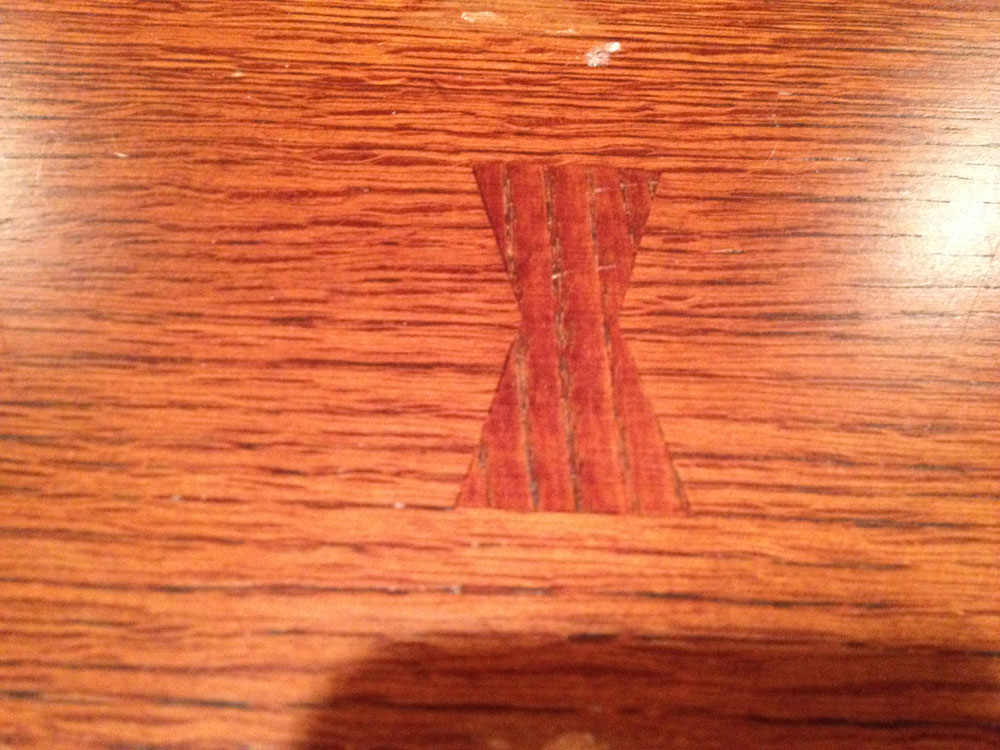
The Dutchman is a classic patch or repair, although sometimes it is placed symmetrically in a piece just for its beauty, as an accent. The patch can be contrasting or matching.

The Dutchman is a classic patch or repair, although sometimes it is placed symmetrically in a piece just for its beauty as an accent. The patch can be contrasting or matching.

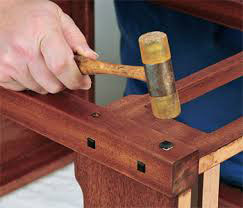
The materials for the repairs can be chosen to hide the fix or highlight it.  The site of the defect might be a good place for a Greene and Greene ebony plug.

Ebony plugs, a la the Greene Brothers, aren’t so much a repair as an accent. Black plugs have become synonymous with their work.

Ebony plugs, a la the Greene Brothers, aren’t so much a repair as an accent. Black plugs have become synonymous with their work.

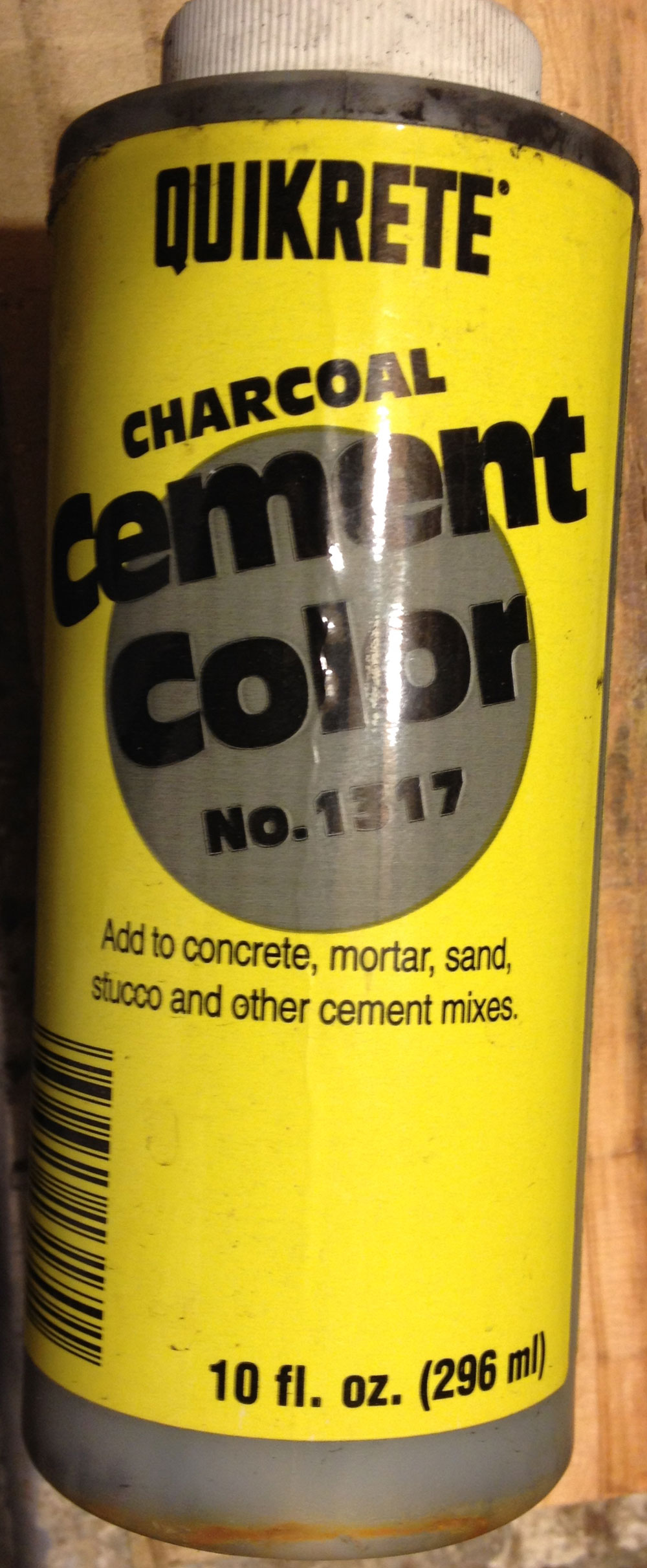
Epoxy repairs can be a load of fun.  You can take good old two-part epoxy and mix in the color ingredient of your choice.  CLICK HERE to read how to make your epoxy syringes last as long as possible.  One I’ve used several times is black concrete coloring. Whether you’re coloring concrete, stucco or epoxy, this stuff is powerful.

Whether you’re coloring concrete, stucco or epoxy, this stuff is powerful. This bottle will probably be handed down to my great-grandchildren. When they need to color something black in their woodworking 3-D printer, they can add just a little bit.

This bottle of concrete coloring will probably be handed down to my great-grandchildren. When they need to color something black in their woodworking 3-D printer, they can add just a little bit.

Some experimentation on scraps of wood similar to your project will give you the needed experience without putting your furniture at risk.  Believe me when I say it doesn’t take much black powder to get the epoxy as dark as you want it!  Start filling from the bottom of the defect and work to the top.  Let some flow proud.  Some porous species will let the color flow into the wood, another good reason to practice on scraps in case you don’t like that effect.  Once cured, it sands easily, and can even be polished if you prefer to draw attention to the site.  I rather liked the look after a few practice samples, so I incorporated it into Brenda’s bedside table project made from Hurricane Katrina-flooded, used oak flooring.

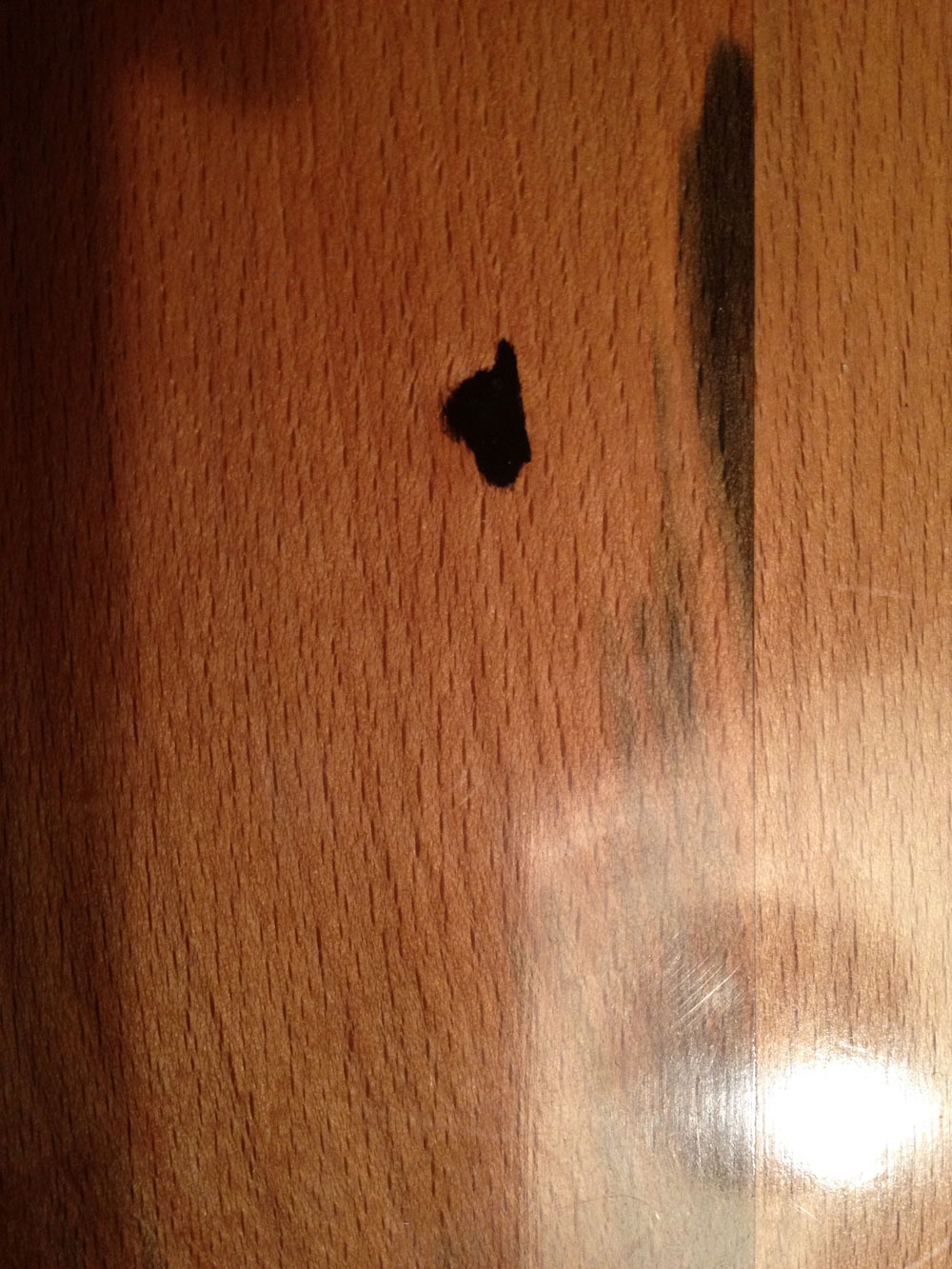
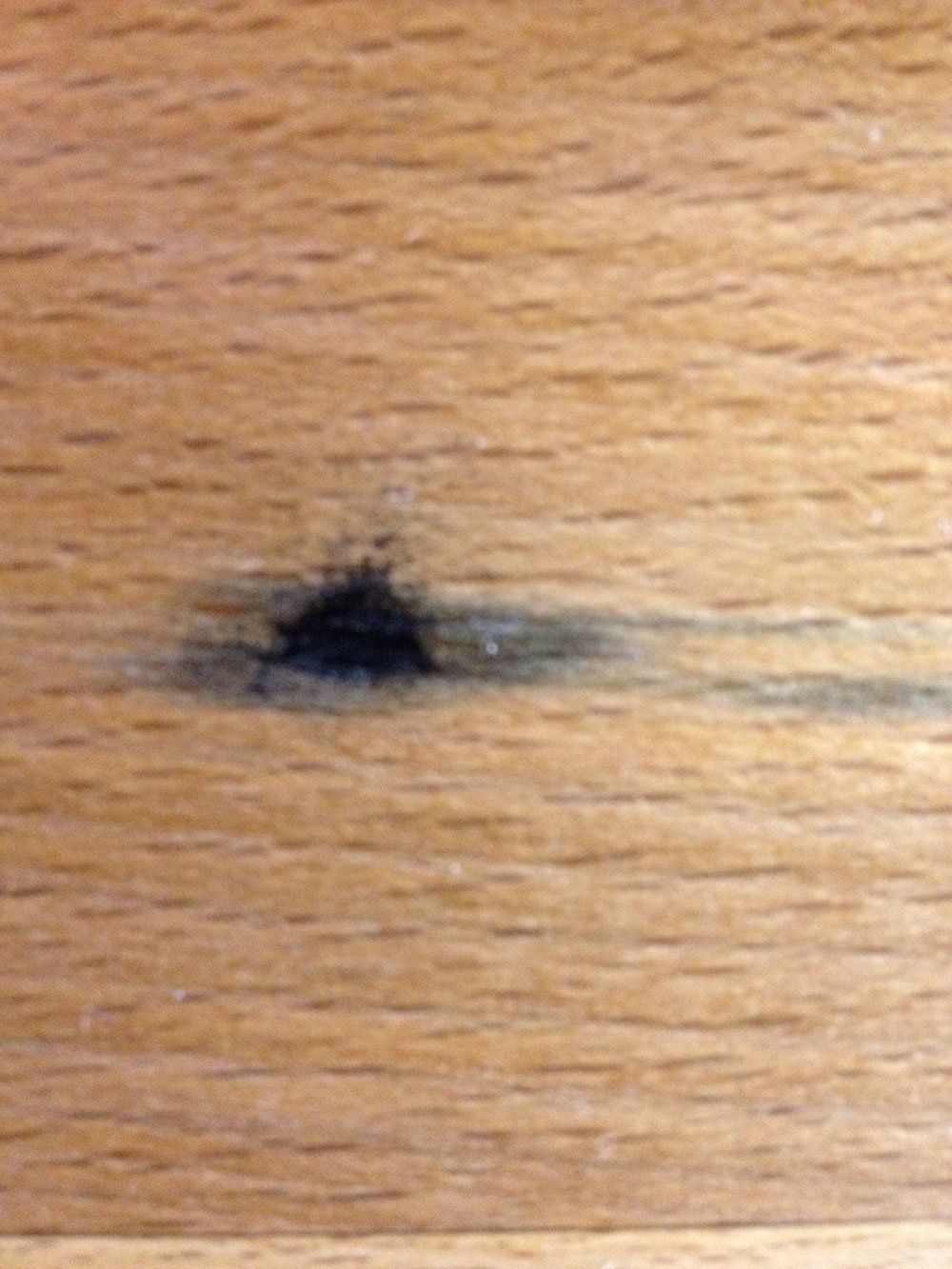
This is a closeup of one of the tops. It demonstrates an understated amount of seepage of color into surrounding wood fibers.

This is a closeup of one of the tops. It demonstrates an understated amount of seepage of color into surrounding wood fibers.

In another location the same species of oak, sawn with a different grain pattern, allowed substantial movement of color into surrounding wood fibers.

In another location the same species of oak, sawn with a different grain pattern, allowed substantial movement of color into surrounding wood fibers.

For a more subtle, but still structurally strong effect, you can mix dust from your sander’s exhaust into the epoxy.  Depending on the size and shape of the opening, the repair might totally disappear.

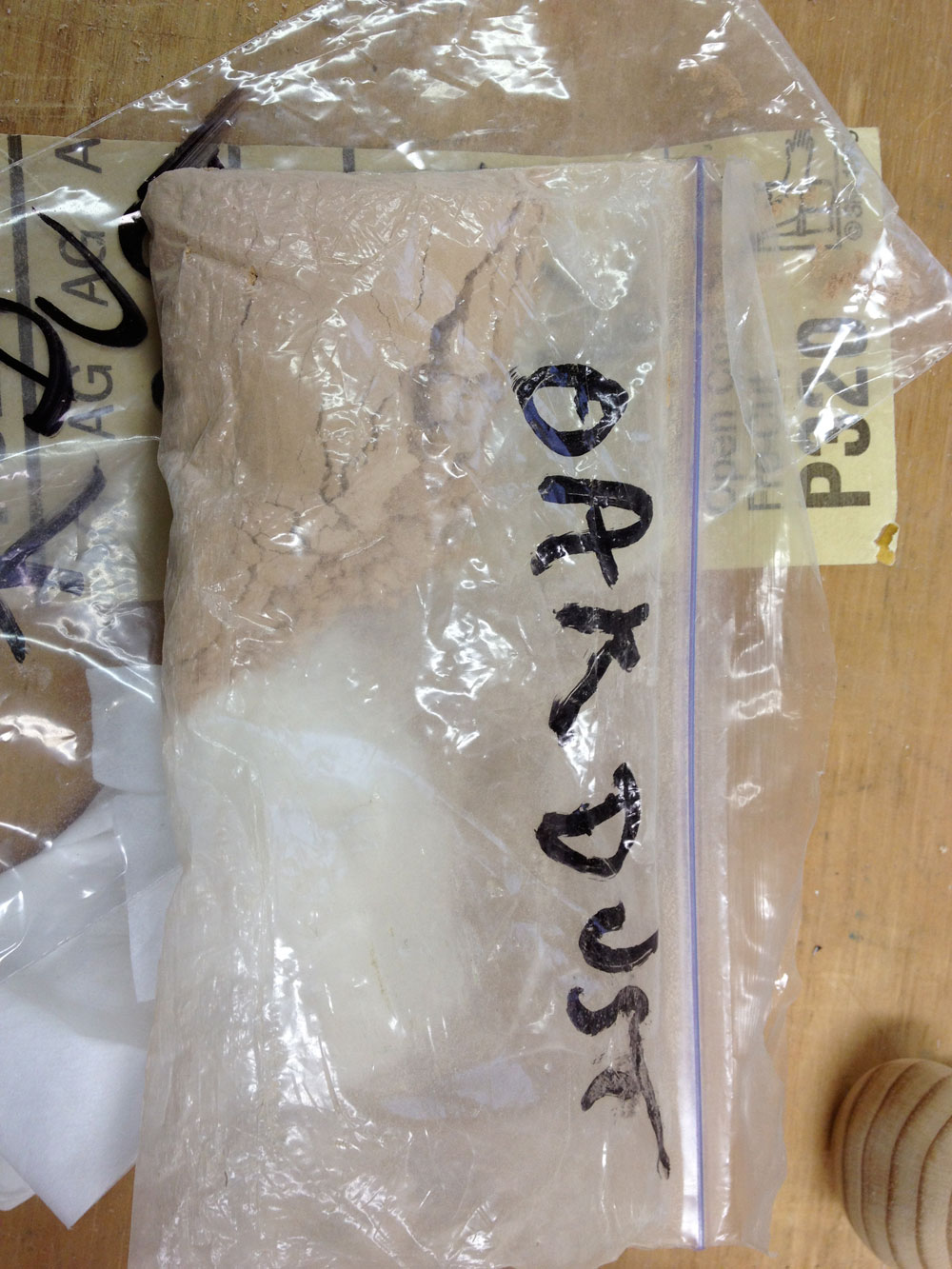
As I sanded (and sanded and sanded) this project, I used the random orbit sander’s bag to collect oak dust to use in this and future oak/epoxy repairs.

As I sanded (and sanded and sanded) this project, I used the random orbit sander’s bag to collect oak dust to use in this and future oak/epoxy repairs.

——-

Jim Randolph is a veterinarian in Long Beach, Mississippi. His earlier careers as lawn mower, dairy farmer, automobile mechanic, microwave communications electronics instructor and journeyman carpenter all influence his approach to woodworking. His favorite projects are furniture built for his wife, Brenda, and for their children and grandchildren. His and Brenda’s home, nicknamed Sticks-In-The-Mud, is built on pilings (sticks) near the wetlands (mud) on a bayou off Jourdan River. His shop is in the lower level of their home. Questions and comments on woodworking may be written below in the comments section. Questions about pet care should be directed to his blog on pet care, www.MyPetsDoctor.com. We regret that, because of high volume, not all inquiries can be answered personally.