Highland Staff

Nov 232012
 

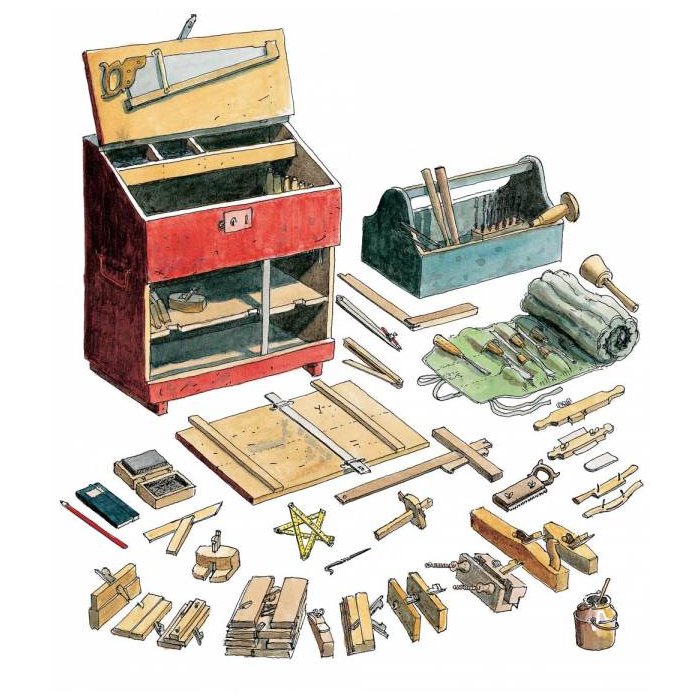
I really enjoy Christopher Schwarz’s Lost Art Press and the books which just keep coming from there. One of the latest is “Grandpa’s Workshop” by Maurice Pommier.

Grandpa’s Workshop

This book is pure magic. It looks just like a children’s bedtime story book with wonderful line drawings, dragons, sailing ships, geese chasing little boys in their dreams, old stage coaches, steam trains and steampunk, silhouettes, beautiful colors, Grandpas, Grandsons, tools, old tools, tools that you know about and wish you had, tools that your Grandpa had in his shop and never let you touch because your Mama would be mad if you got hurt using them, dusty chests full of old tools at the back of the shop, elves behind the wood stacks and mice. I’ve got some old dusty tools in the back of my shop, and maybe some mice. And there could be some elves back there too.

Tools in the Workshop

If you love wood working and old tools; if you have kids or grandkids you want to introduce to our hobby; If you just love beautiful books — this book is for you. Get it for Christmas. In fact, get one for you and one for the kid and one for the Grandkid. I love this book!

Nov 222012
 

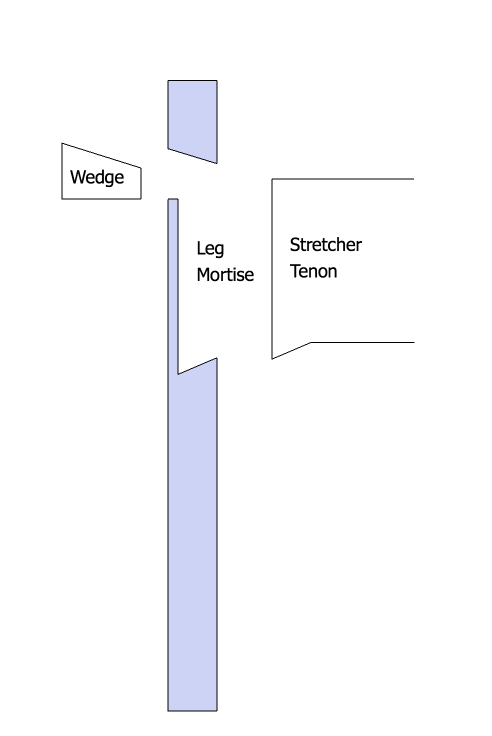
The blind mortise in the leg has angled ends on the top and bottom that create a dovetail-looking mortise. The tenon has a matching angle on the bottom (half a dovetail tail), so it slips into the mortise then lowers down into the matching mortise angle. The picture below is a cross section at the location of the mortise.

Angled mortise for a dovetail wedge fit

Angled mortise for a dovetail wedge fit

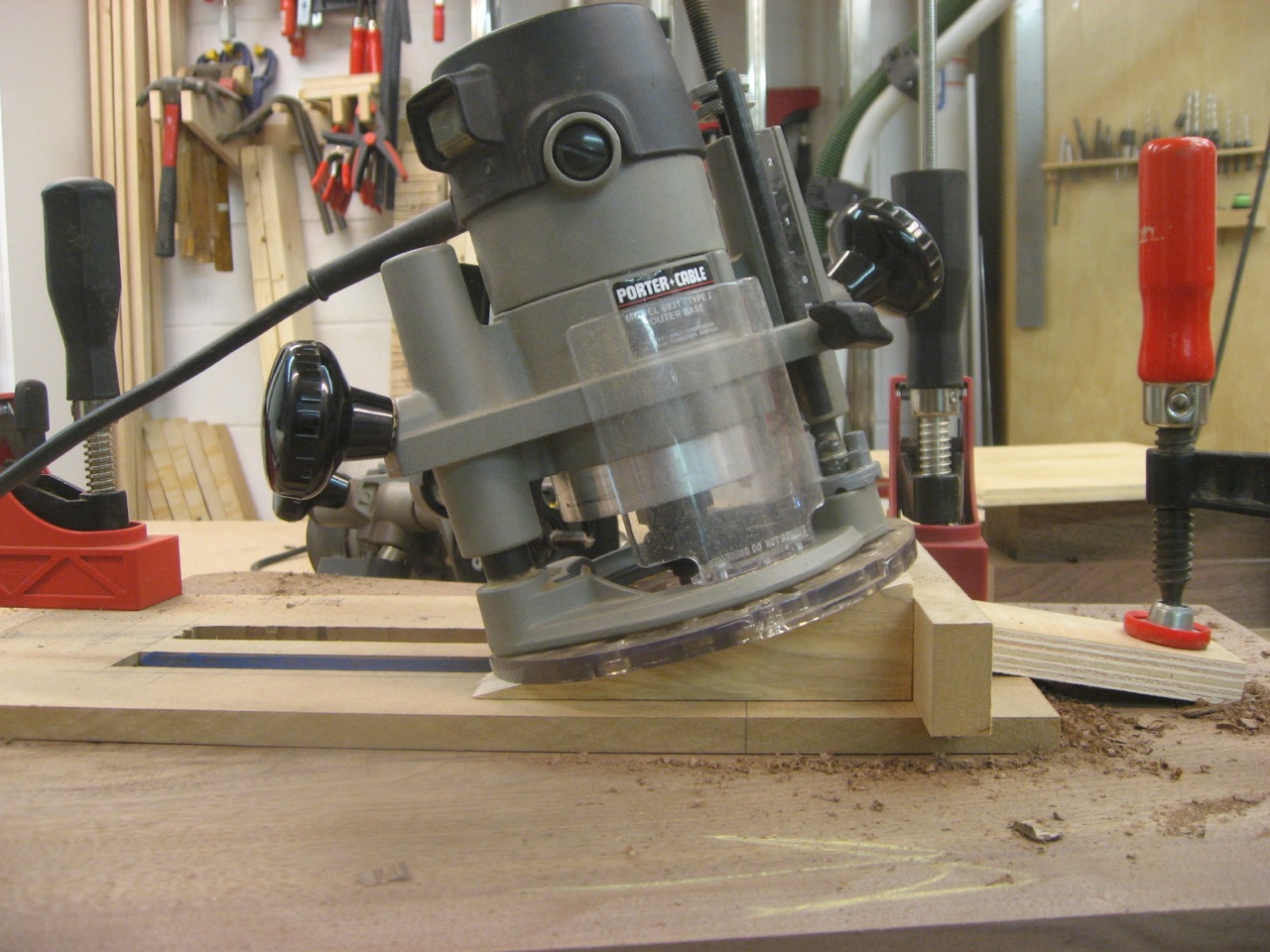
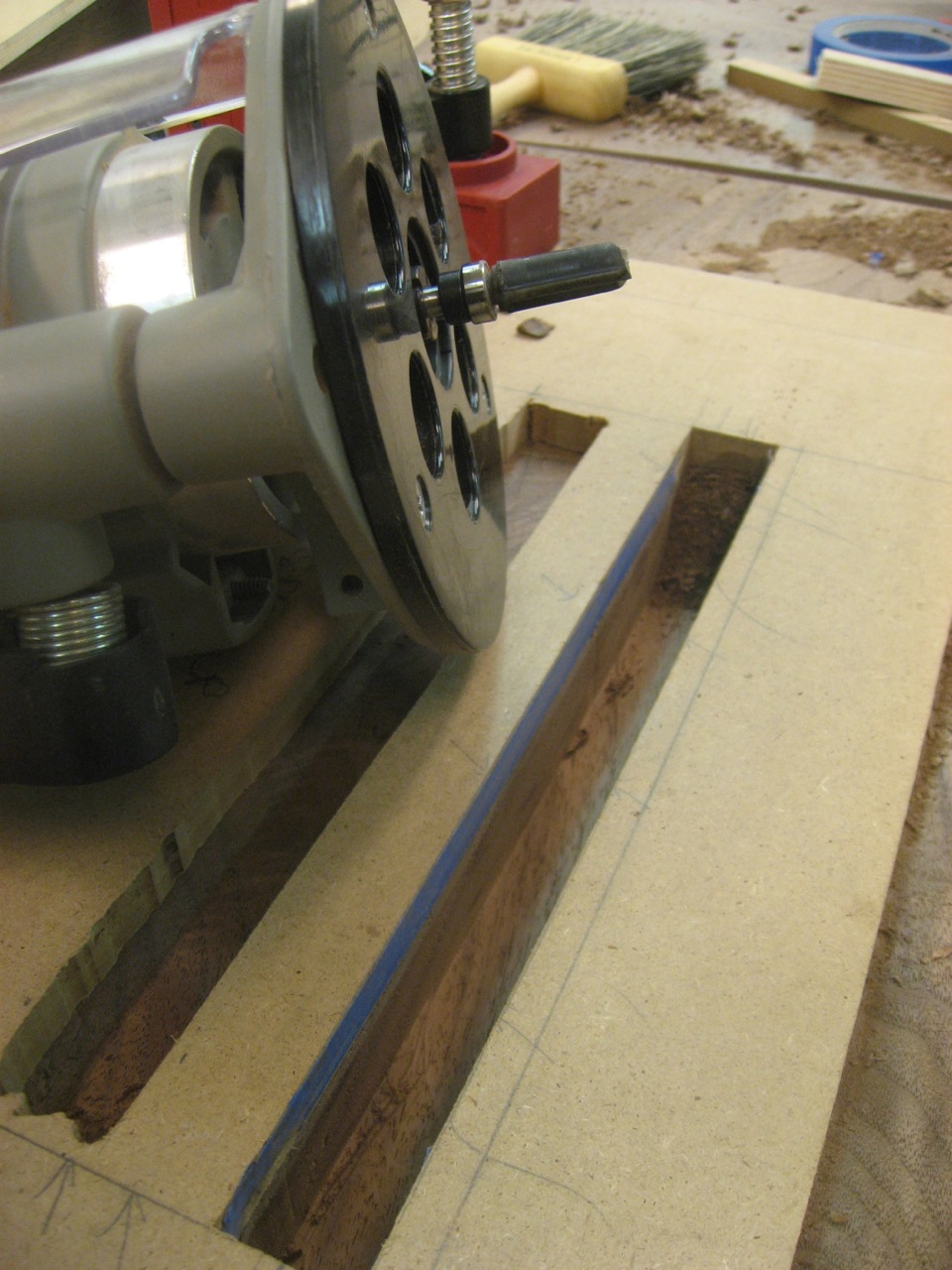
To create this, I made an auxiliary jig for my router to run on which references off the mortise jig already used. This jig angles the router a little so that the straight bit removes material at the bottom of the mortise at the correct angle.

The router runs at an angle for the bit to remove waste at the bottom of the mortise

The router runs at an angle for the bit to remove waste at the bottom of the mortise

This jig has plywood pieces cut at an angle and set apart the distance of the mortise.

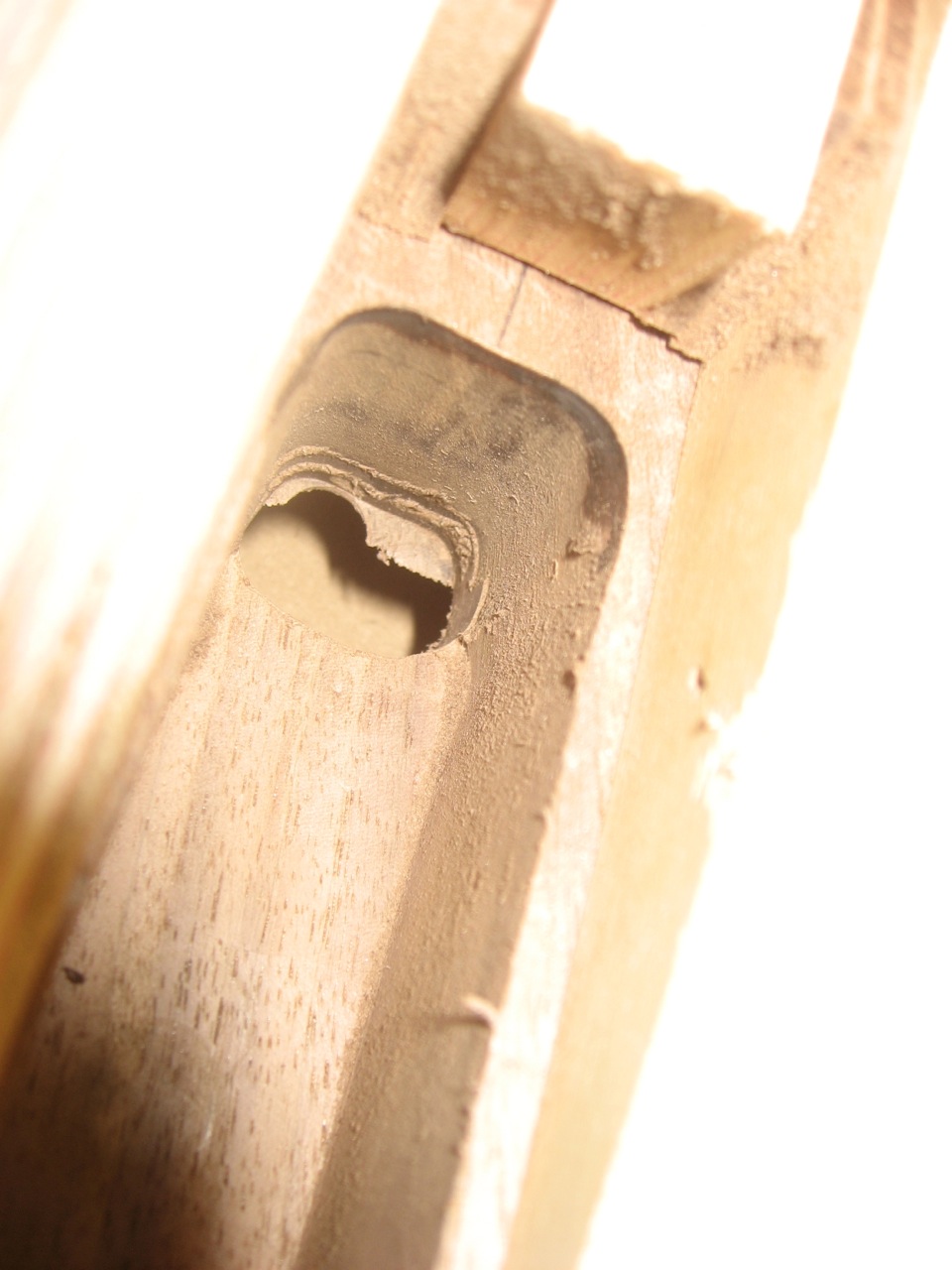
The reason I took the time to make this jig rather than doing by hand is that I have four to make (top and bottom of both legs). The top mortise pokes through the leg (for the wedge) and this jig helped create a consistent opening (that only needed a little handwork). [Sorry for the bad photo, light was hard to get down into the mortise]

Angled top to the mortise, poking through the other side of the leg

Angled top to the mortise, poking through the other side of the leg

Nov 202012
 

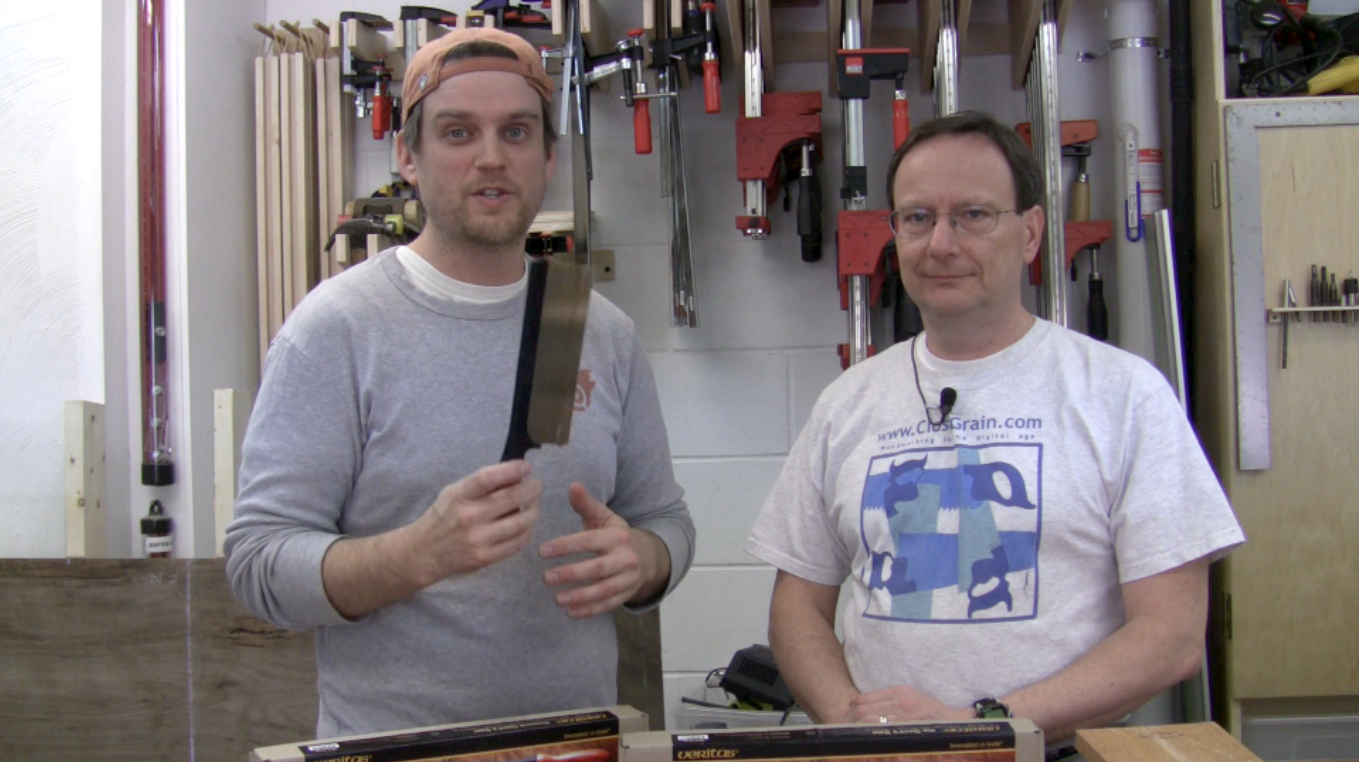
I invited Steve Branam from Close Grain to try out a couple of new Gent’s Saws from Veritas. He put them through the paces for a few weeks in his shop and then stopped by to give me his thoughts.  We had a lot of fun chatting about the saws and I got some good tips from Steve on sawing techniques.

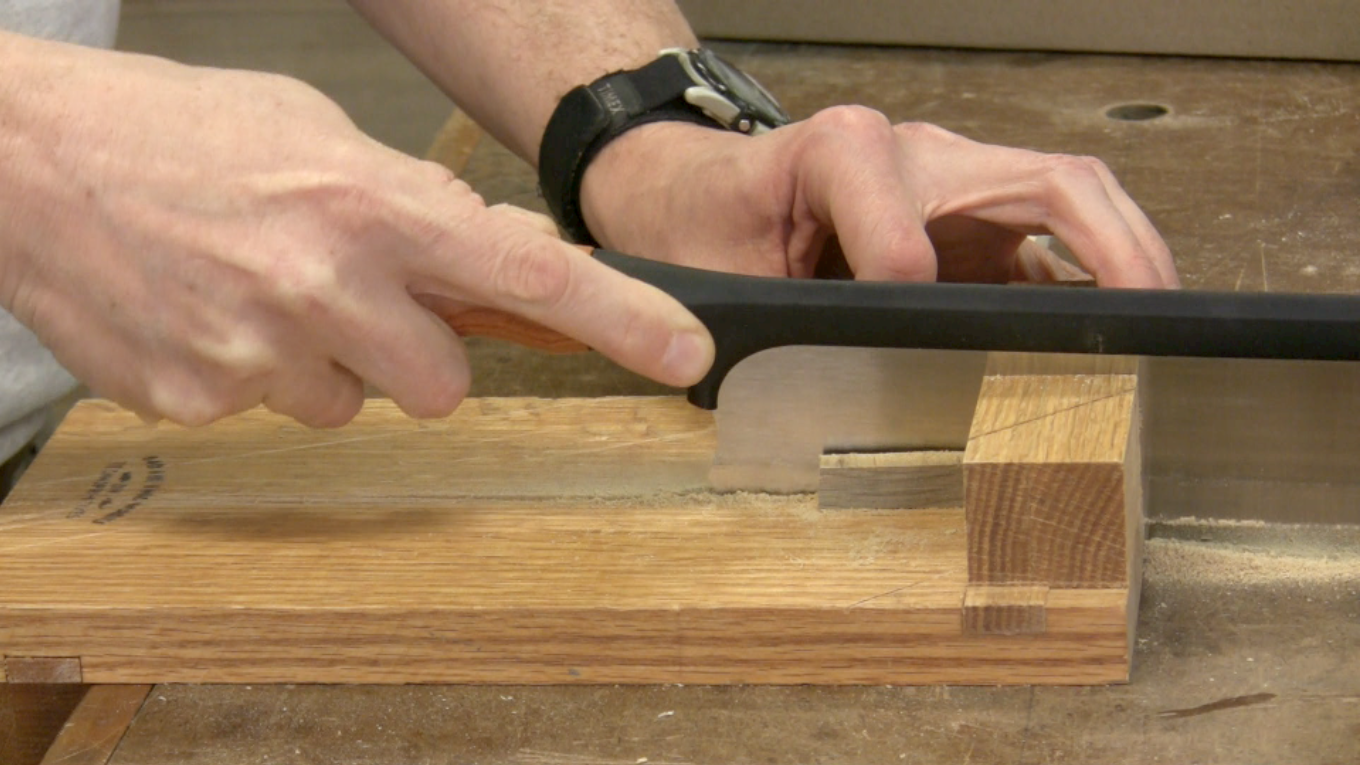
Steve demonstrates the crosscut saw by extending his forefinger down the handle to help guide the cut.

Veritas Crosscut Saw

Veritas Crosscut Saw

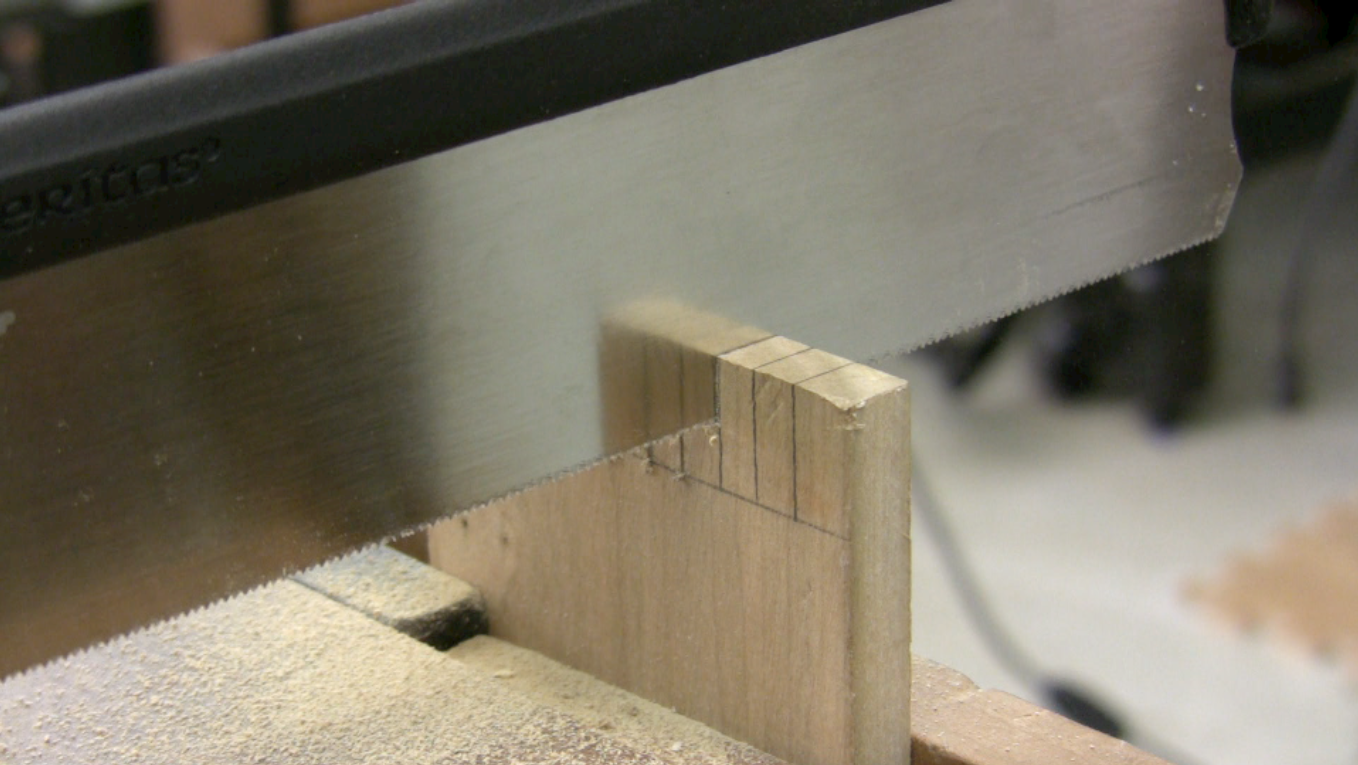
Practice sawing by drawing multiple vertical lines and then saw down each one. Just a dozen or so quick cuts will begin to get you straight results!

Veritas Rip Saw

Sawing lines using the Veritas Rip Saw

Thanks to Steve for stopping by and helping me check out these saws. Definitely check out Steve’s Blog – it’s full of great handtool posts.

Morton and Steve

Morton and Steve

Nov 192012
 

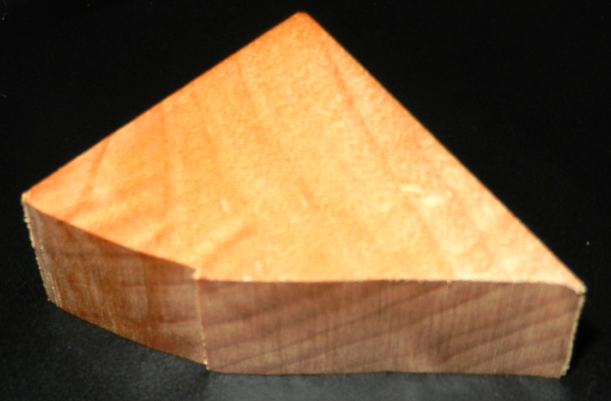
A while back I wrote about finally finding a great bandsaw blade, the Wood Slicer from Highland Woodworking. I talked about it doing a wonderful job ripping wood, and how it cut through the wood as if it was butter. One thing I didn’t include in my article was the physical properties of the cut directly from the saw, and in this article, I will do just that. I think it’s important to have what is more empirical rather than just superlative information.

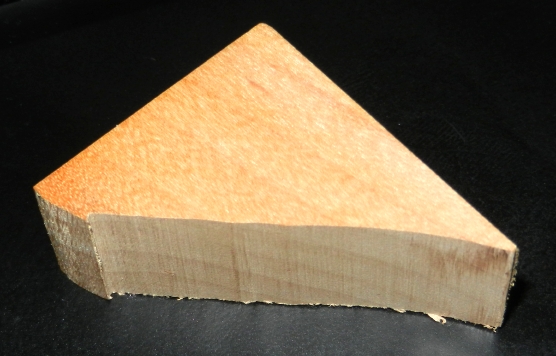
The pieces of wood I’ll present are from two corners of a rectangular piece of figured maple. This piece of maple is a fence for a home made marking gauge, and I decided to change the shape to something a bit more pleasing. I wondered just how much work I would have to do to smooth out the curves where the band saw cut the wood.  In the past, the band saw blades I’ve used would leave a surface that was extremely rough in both the visual and tactile sense.  Not the case with this Wood Slicer.  Now I’m not going to say it was as smooth as glass, but some areas did shine when light bounced off. It is yet another aspect of this blade that will keep it as my go-to for all but the most specific usages.

First corner piece

Second corner piece

When you look at the photos, be aware that I’m not a band saw expert, and as such, I believe even better results would come from a hand with better feed control. That being said, I’m still just as happy as I can possibly be that I finally tried this blade. It rocks.

Click to take a closer look at the Wood Slicer Resaw Bandsaw Blades.


Lee Laird has enjoyed woodworking for over 20 years. He is retired from the U.S.P.S. and works for Lie-Nielsen Toolworks as a show staff member, demonstrating tools and training customers. You can email him at lee@lie-nielsen.com or follow him on Twitter at twitter.com/is9582

Nov 162012
 

Graphic Novel?

There is a contest out there somewhere for the best six word novel. Sounds crazy, but it springs from Hemingway’s most famous one which has stuck with me for years. “For sale, baby shoes. Never used.” Tell me that ain’t a whole novel in six words.

Here’s mine, but since this is my first, I need a picture besides the words. “Punky wood. Face shield. Master class.”

Nov 132012
 

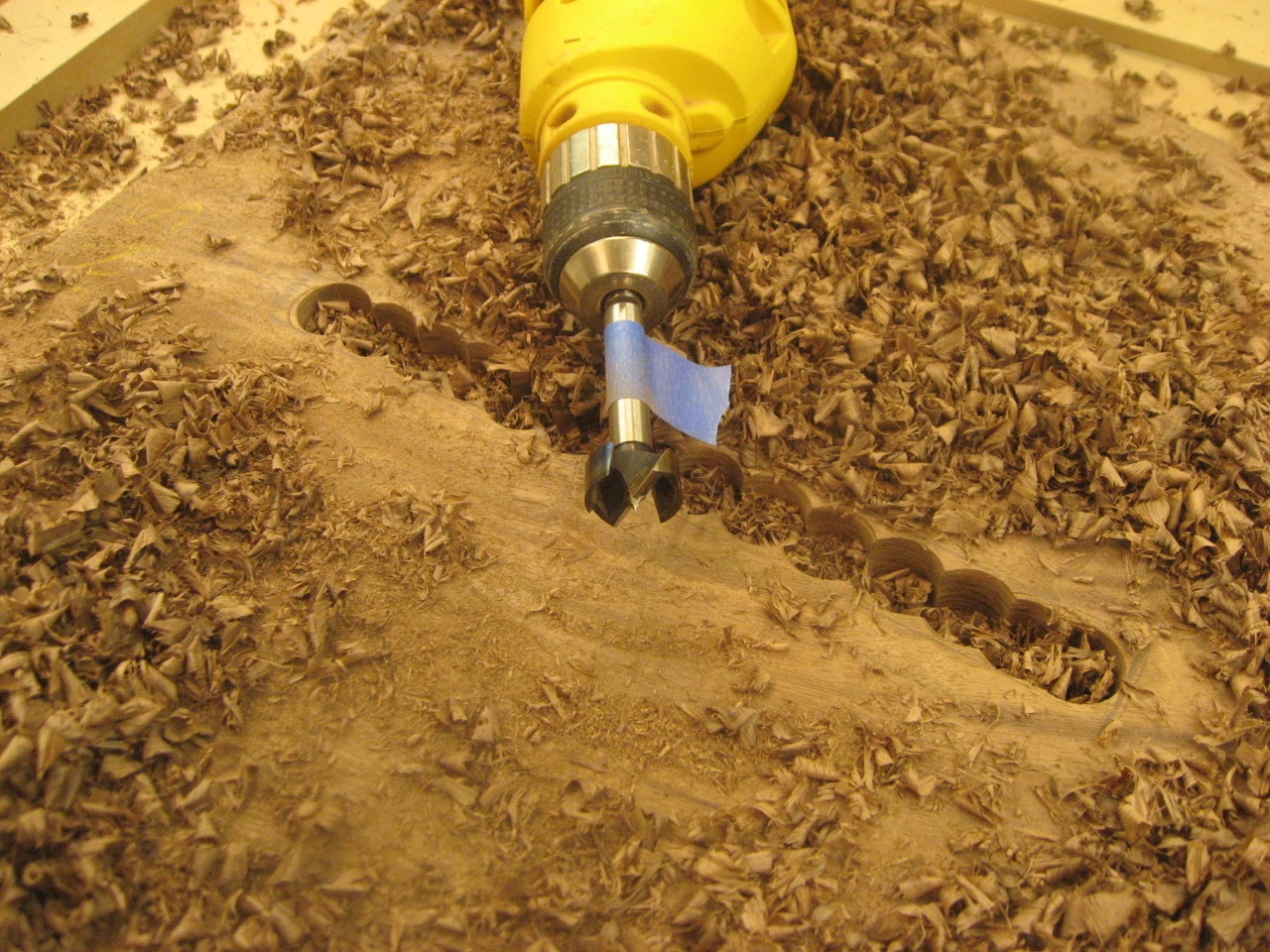
The template can take awhile to perfect, but then making the actual mortise is a very fast and foolproof operation. I use the template to first pencil in the area to be mortised. A handheld drill (use a corded one for this operation!) and a forstner bit removes most of the waste.

Excavate most of the material using a fortsner bit a drill

Excavate most of the material using a fortsner bit and a drill

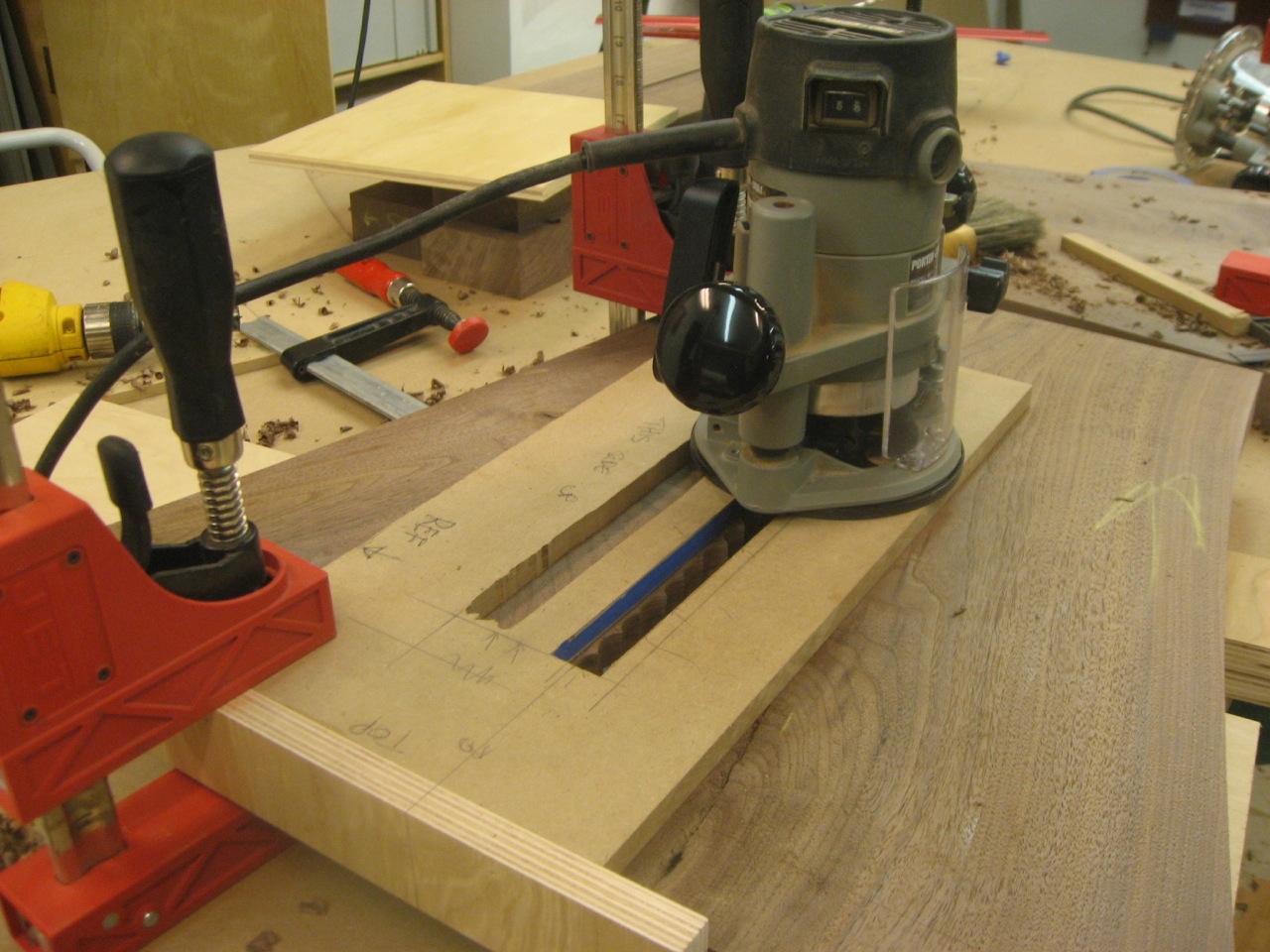
The template has an “end” to it that registers against the top of the workpiece, so I can clamp it in place easily. The router runs right along it no problem.

The router runs along the template

The router runs along the template

The result is a nice clean mortise. I love that it has a flat bottom from the router bit also.

After routing using the template, a nice clean mortise

After routing using the template, a nice clean mortise

Nov 122012
 

With the holidays on their way, everyone around here is starting to think about what new tools would really enhance our workshops if we were to receive them as gifts. Lee Laird’s wishlist clearly shows a preference for hand tools, but wouldn’t you expect just that from the guy who writes about and demonstrates hand tools in his spare time? Maybe you’ll find something on his list that you might like to add to your own!
1. DMT Dia-Flat Lapping plate – Such a good tool! And since this is my wish list, I’ll add that efficiencies can go up with a second in the shop. One can be used for sharpening (flattening a stone) while the other plate can be used to coarse flatten the back of a plane iron.

2. Magni-Focuser – Provides a range of magnification (with just a quick swap of different lenses) to either off-set for existing vision issues, or the difference between sharpening a hand saw and perhaps removing a hidden splinter.

3. Lie-Nielsen Large Router Plane with adapter for small blades – Time to put my old, tired Stanley Router Plane up as a visual piece. The Lie-Nielsen version is just so much smoother to operate, and added flexibilities abound.

4. Lie-Nielsen #6 Fore Plane – Another replacement for a cool, old Stanley plane. Working with both types, it’s just so easy to justify the new plane, with its fit and finish out of the box, and the accuracy that comes with no struggles.

5. Lie-Nielsen Screw Driver Set w/ Case – This set of screw drivers have the perfect tip sizes (width and thickness) to fit the screws on Lie-Nielsen’s hand plane line. It is somewhat of a lost art, to have a screwdriver that properly fits each screw. Sure a different driver can be made to work, but it’s so easy to cam out and bugger the screw head if the driver and screw don’t match.

6. Lie-Nielsen Improved Workbench – The new design (as of 2011) is such a rocking (it’s truly solid, but just using a colloquialism) bench. The change to a 4″ thick top increased the weight, and from side-to-side and end-to-end it is so much easier to clamp to the top. Just find it a home on a level floor, and you’re set. Oh yeah, and make sure you get me a right-handed version, since both left and right versions are available.

Did you know you can create a wishlist at Highlandwoodworking.com and send it out by email to anyone who might be searching for the perfect gift for you? CLICK HERE to get started with your own wish list.


Lee Laird has enjoyed woodworking for over 20 years. He is retired from the U.S.P.S. and works for Lie-Nielsen Toolworks as a show staff member, demonstrating tools and training customers. You can email him at lee@lie-nielsen.com or follow him on Twitter at twitter.com/is9582