It’s November and that means at the end of the month it’ll be Thanksgiving. Here at Highland Woodworking, we are very thankful for our customers. It is thanks to YOU that we have been around for over 40 years and are able to provide woodworking resources and education to you all.
As we all know, woodworking takes patience, skill, and sometimes good ol’ blood, sweat and tears. If you have the patience to spend an hour hand sharpening a new set of chisels, that is something to be thankful for! You haven’t even gotten to start on the “fun” part of actually making something, which will likely also take patience and time before you have a final product.
This month’s poll asks “what are you most thankful for when it comes to woodworking?” The answers listed are just a few we thought of, feel free to add your own as an “other” comment!
In this classic series by Steve Johnson, the Down to Earth Woodworker, Steve looks at some possibilities for what woodworking will be like in the future, and how we can all help keep our craft alive.
Festool has come out with some great new releases this October. Watch the video below to learn more about the new Kapex, and click to find out more about the other new tools from Festool.
We are excited to announce that the latest episode of The Highland Woodworker was just released. This one features an amazing master woodworker and woodturner named Al Christopher. You won’t believe the work he has produced. He even offers a demonstration for how he turns a handled pitcher out of one piece of wood!
Andrew Zoellner from Popular Woodworking offers a couple of great tricks for making complicated workshop calculations easy to figure out.
And Chuck sits back with the newest issue of Mortise & Tenon magazine, a woodworking magazine that belongs on the shelves of every woodworker.
Sit back and take a look at another great episode!
This book is much more than a collection of superlatives of the creative arts. It is, rather, an exploration of the creative spirit itself, of the lives, the life influences, the motivations of a group of master creators in the medium of wood. Ultimately, it seeks to uncover the forces that have driven these artists to succeed at artistic perfection.
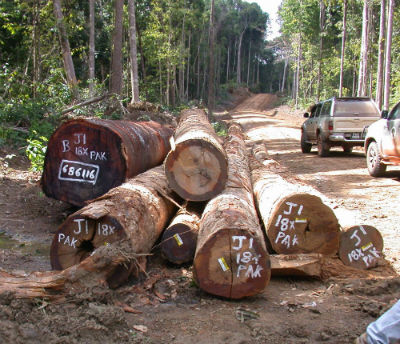
In the October 2019 issue of Wood News, Bob Rummer makes the case for using more tropical wood rather than less, even with recent news of the Amazon fires.
The primary reason for land-clearing fires in the Amazon is to convert forest to ranches and subsistence farms. When the forest has no value, trees are cut down and burned just to get them out of the way. The people are simply looking for a way to make a living to support their families. The real solution is to find ways that tropical forests can contribute to sustainable economic development.
No Southern-fried Southern boy wants to be called a Yankee, but we share the characteristics of shrewdness and thrift. Thus, each month we include a money-saving tip from Sticks in the Mud woodworker, Jim Randolph. It’s OK if you call him “cheap.”
Too cheap to buy a chain to hang your project from? Follow me! When I’m hanging something lightweight, especially for painting and other finishes, I use a coat hanger.
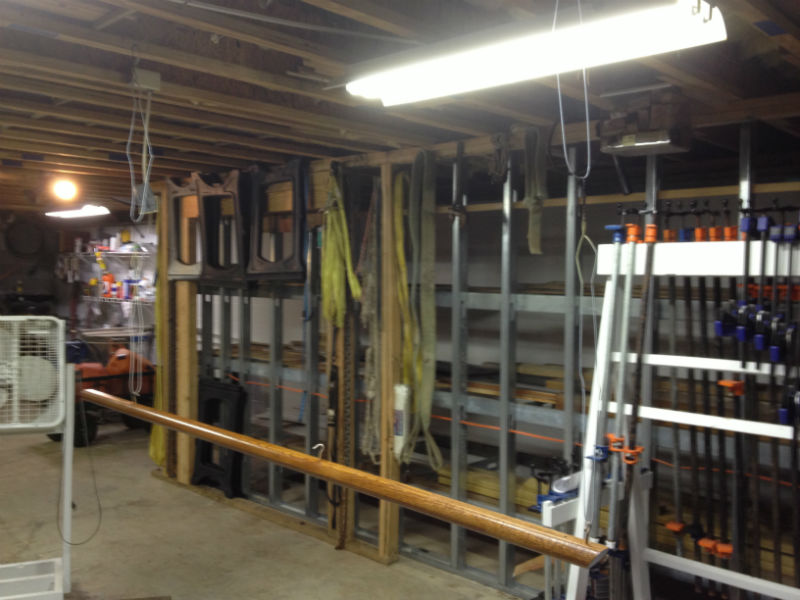
Following an accident in our home, an occupational therapist recommended that all of our stairs have handrails on both sides. Being far too cheap to pay someone to install them, I purchased the correct length for both of the stairs in our home and finished them. Talk about unwieldy! Hanging, they wanted to move all around at the lightest touch. As Steven Johnson would say, I had to “noodle” on the problem for a little bit, then I came up with the idea that I could screw hooks into the rails where the attachment screws had been, and hang them to apply wipe-on poly. Coat hangers were ideal for the job. You can hold onto the screw hooks to keep the project still while you finish.
I’ve had several more opportunities to use this system since first using it on these handrails. You can adjust the height by bending the hanger the way you need it, or using multiples. Or, even put a short length of chain between hangers. #neverstopinnovating
Jim Randolph is a veterinarian in Long Beach, Mississippi. His earlier careers as lawn mower, dairy farmer, automobile mechanic, microwave communications electronics instructor and journeyman carpenter all influence his approach to woodworking. His favorite projects are furniture built for his wife, Brenda, and for their children and grandchildren. His and Brenda’s home, nicknamed Sticks-In-The-Mud, is built on pilings (sticks) near the wetlands (mud) on a bayou off Jourdan River. His shop is in the lower level of their home.Questions and comments on woodworking may be written below in the comments section. Questions about pet care should be directed to his blog on pet care, www.MyPetsDoctor.com. We regret that, because of high volume, not all inquiries can be answered personally.